
Tesla has another large-scale recall, though like most of its recent campaigns, the fix is software-related.
On May 4, Tesla Inc. notified the National Highway Traffic Safety Administration (NHTSA) to a new voluntary recall campaign. This latest recall, affecting some 218,868 vehicles, concerns the potential for the cars’ onboard display to delay showing a rearview camera image for up to 11 seconds on startup. Failing to show a rearview camera image increases the risk of a collision, and puts the impacted vehicles out of compliance with federal safety standards.
Specifically, the recall affects older Tesla vehicles, running on firmware version 2026.8.6. Tesla’s firmware engineers were alerted to the problem on April 10 of this year, and worked on an update to fix the issue with cars within the recall population failing to display a rearview image as quickly as they should. The company rolled out a 2026.8.6.1 update over-the-air on April 11, and spend the next two weeks assessing the scale of vehicles affected by the problematic earlier update, which initially rolled out between April 2 and April 9.
As of May 1, Tesla says it is aware of 27 warranty claims and two field reports that may be related to delayed rearview camera displays after the first update was applied. However, there have not been any accidents, injuries or fatalities as a result of the issue.


Which specific Teslas are part of this recall?
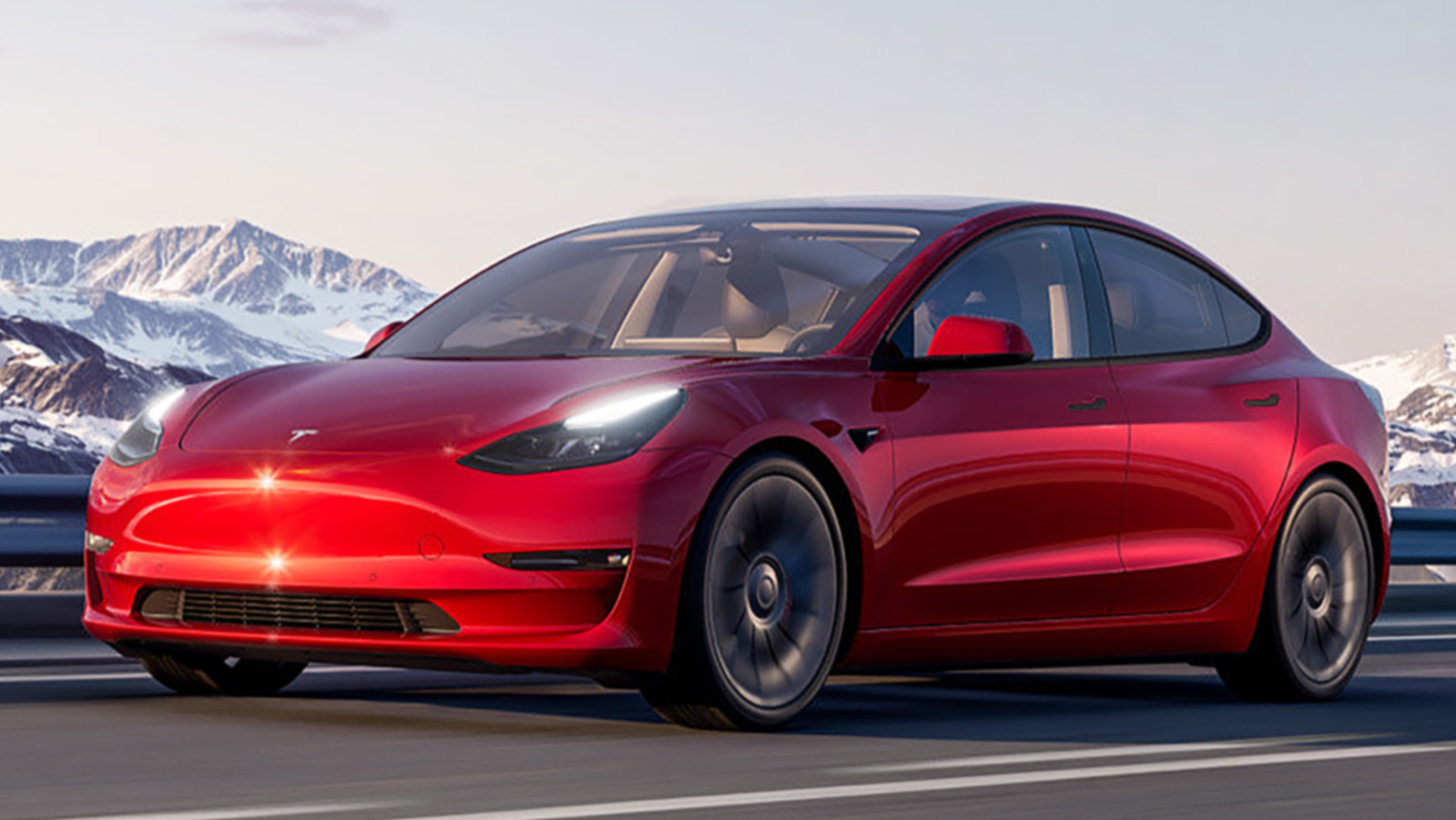
This campaign (NHTSA recall number 26V-283, Tesla recall number SB-26-00-016) affects a single 2017 Tesla Model 3, as well as 68,310 other Model 3 units between model years 2021 and 2023.
The recall also extends to 2020-2023 Tesla Model Y SUVs (112,710 units), as well as the 2021-2023 Tesla Model S (20,231 units) and Model X (17,616 units).
Most of the vehicles in the recall population should already be fixed, as Tesla rolled out the updated software over-the-air on April 11. As of the date it filed the notice with the NHTSA, Tesla says 99.92% of the vehicles included in the campaign already received the software update. Nevertheless, you can check your vehicle’s infotainment system to see whether you’re running version 2026.8.6.1 or later, and install the necessary update to fix the display lag.
This issue does not impact newer Tesla vehicles, as the company notes only cars running “Hardware version 3” were affected by the software problem. Tesla will notify service centers about the recall tomorrow, May 7, so you should also be able to contact your local service center if you’d rather go through them to ensure the remedy is applied. Mailers will go out to impacted owners on July 3.