Alongside the gas models, the 2027 BMW i3 brings a new option to prospective 3 Series buyers.
For pretty much anyone shopping for a four-door luxury car today, it’s impossible to ignore the BMW 3 Series. It’s been a staple of its class for more than 50 years, and there’s a new generation hitting the scenes right now. Today, in fact, we’re getting a proper look at the production-spec 2027 BMW i3, as the 3 Series lineup grows to comprise both gas and electric models with similar styling, but on different architectures.
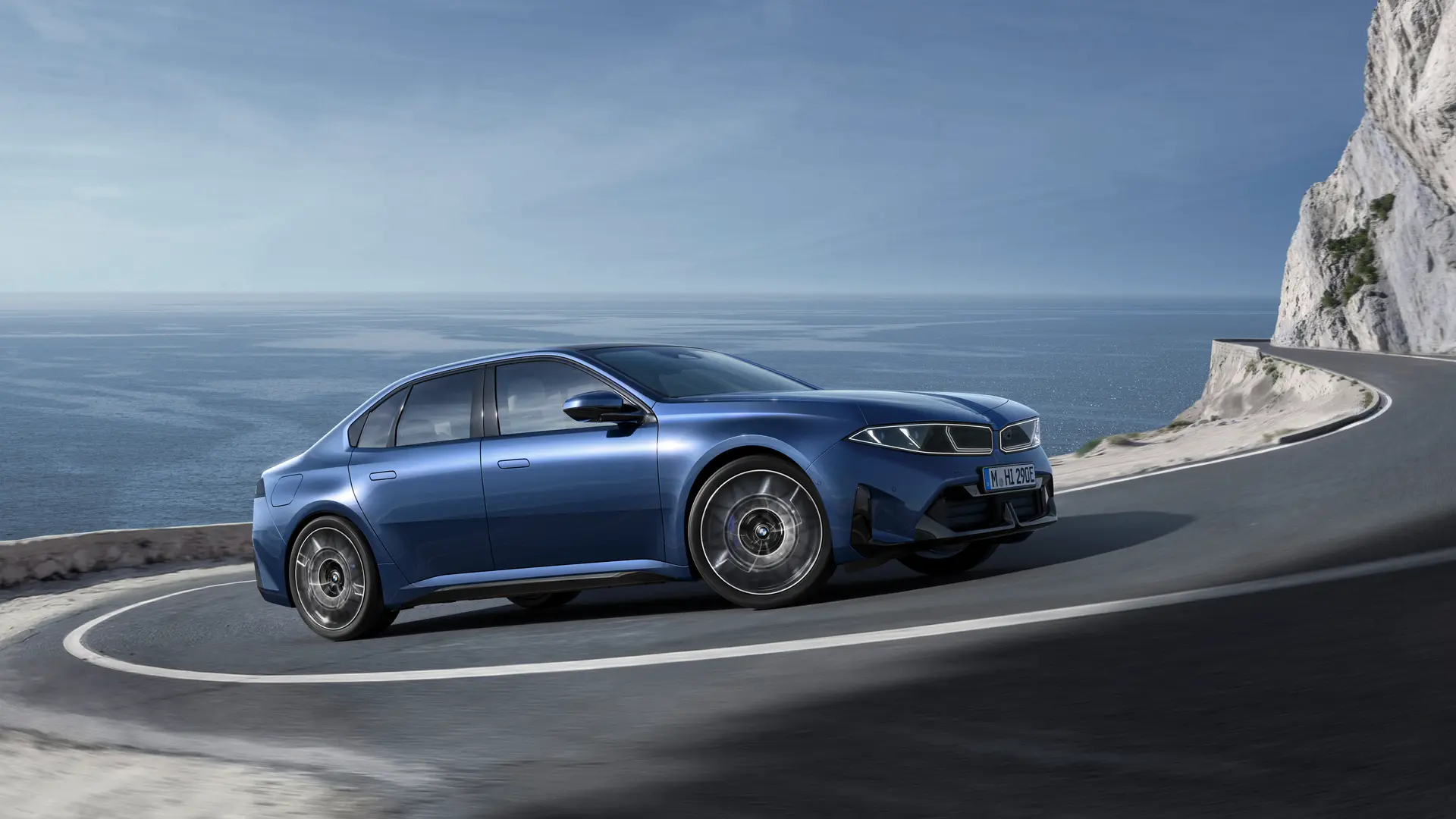
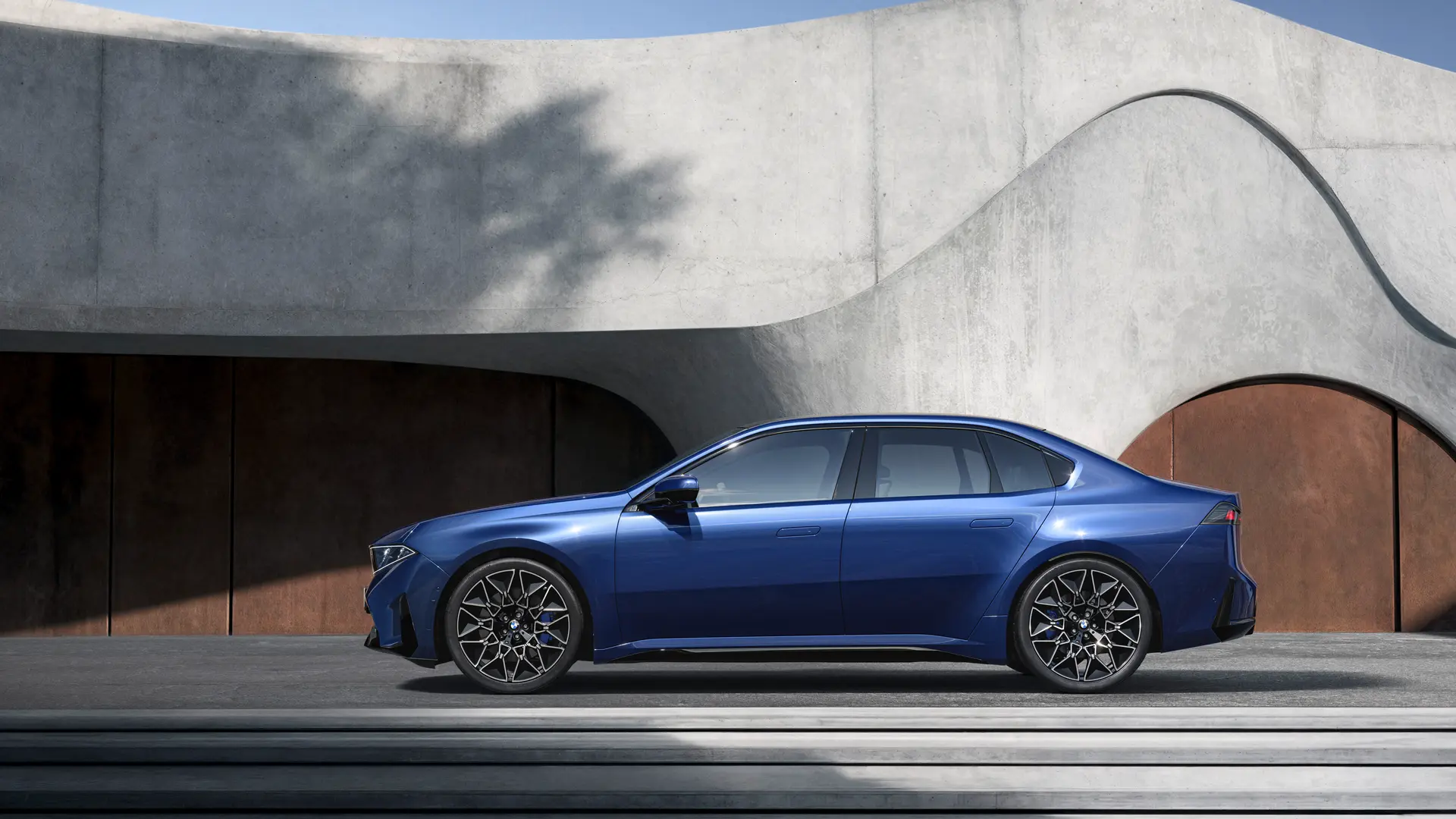
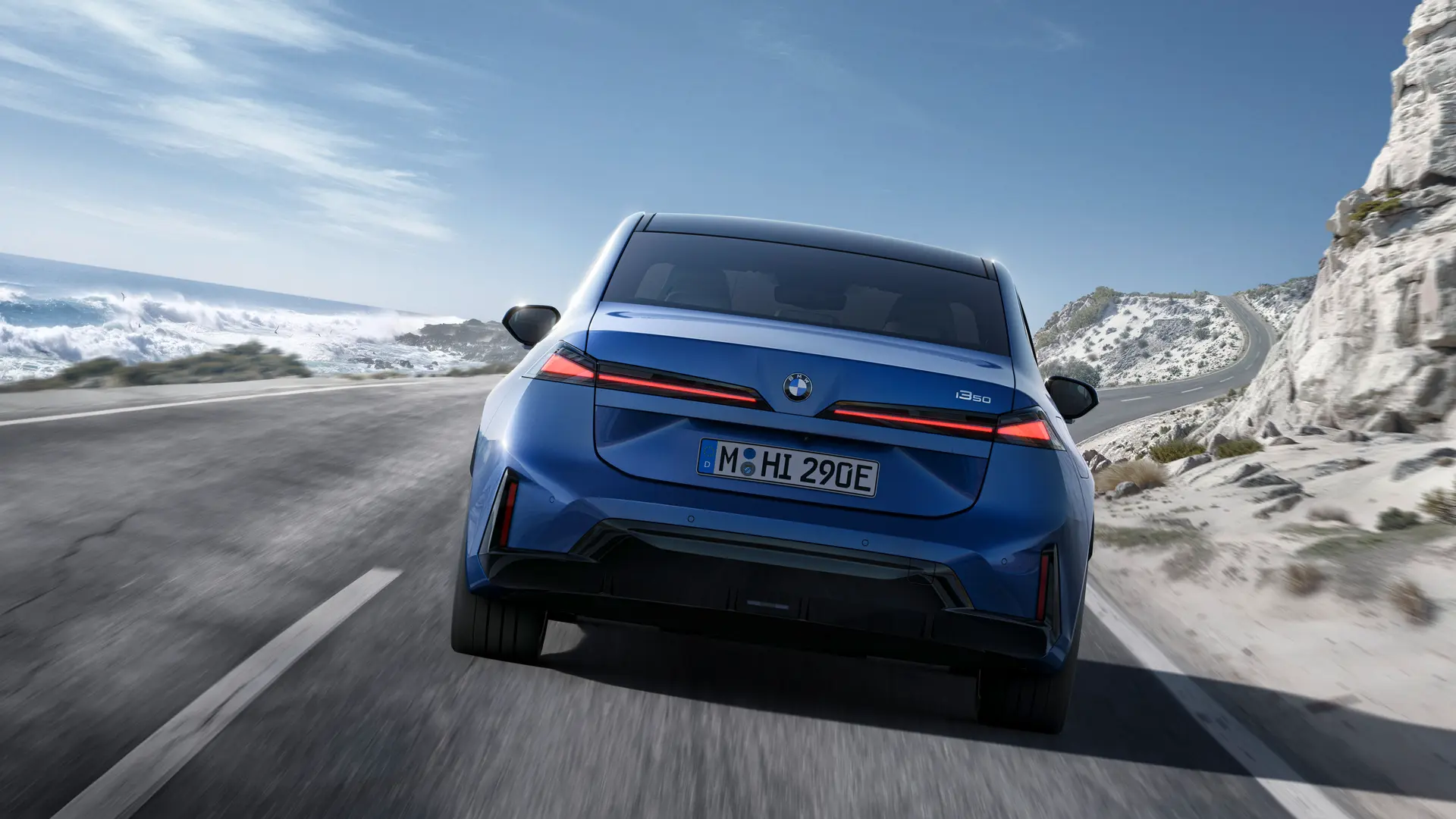
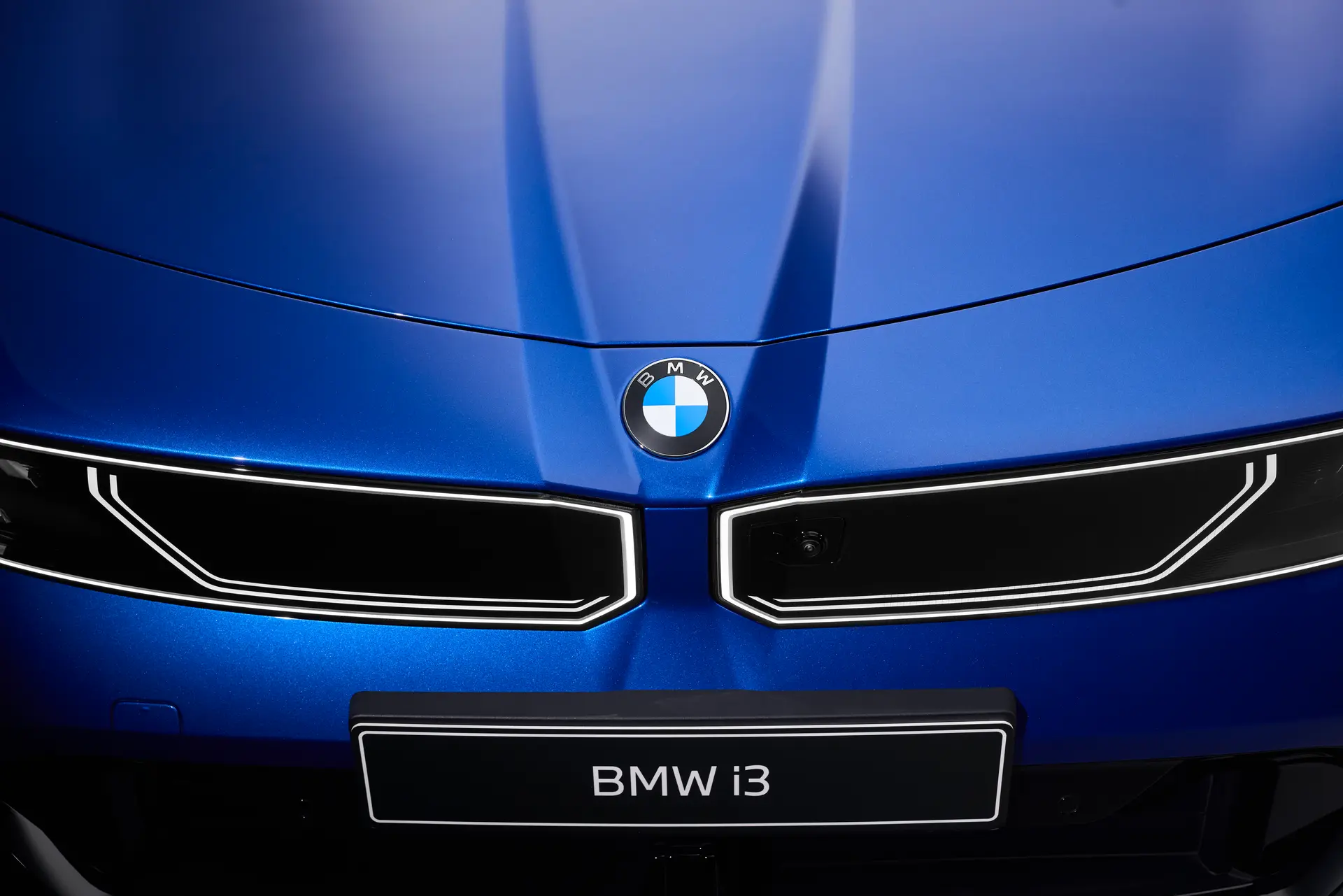
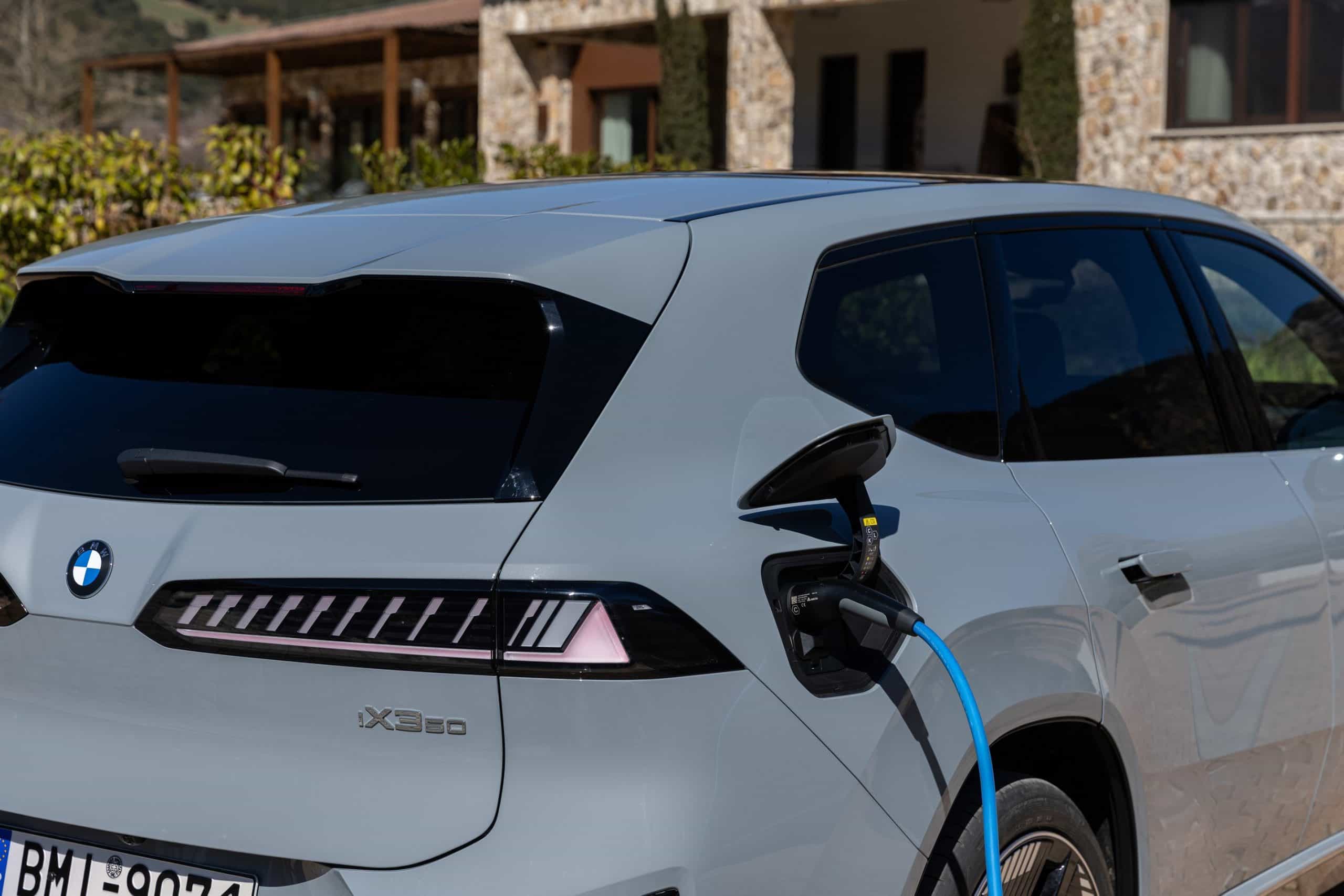
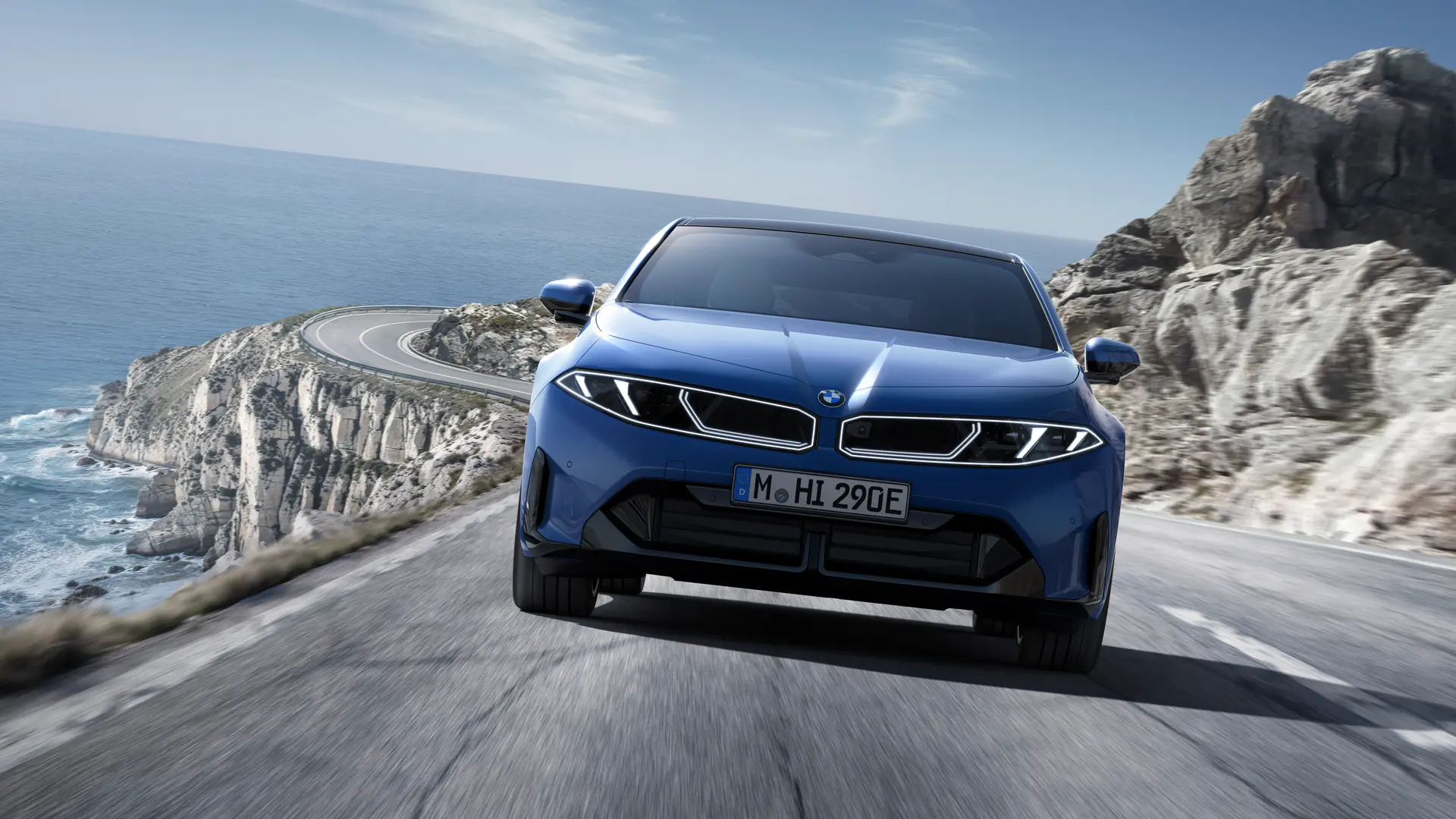
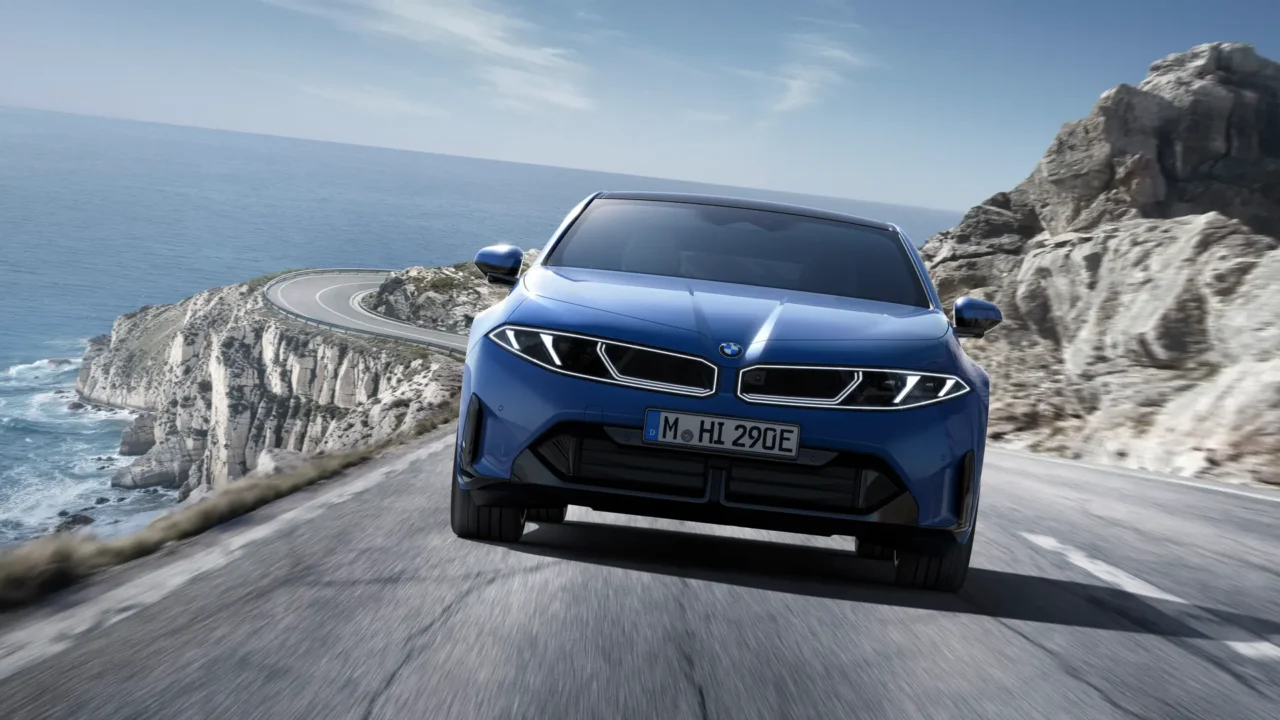
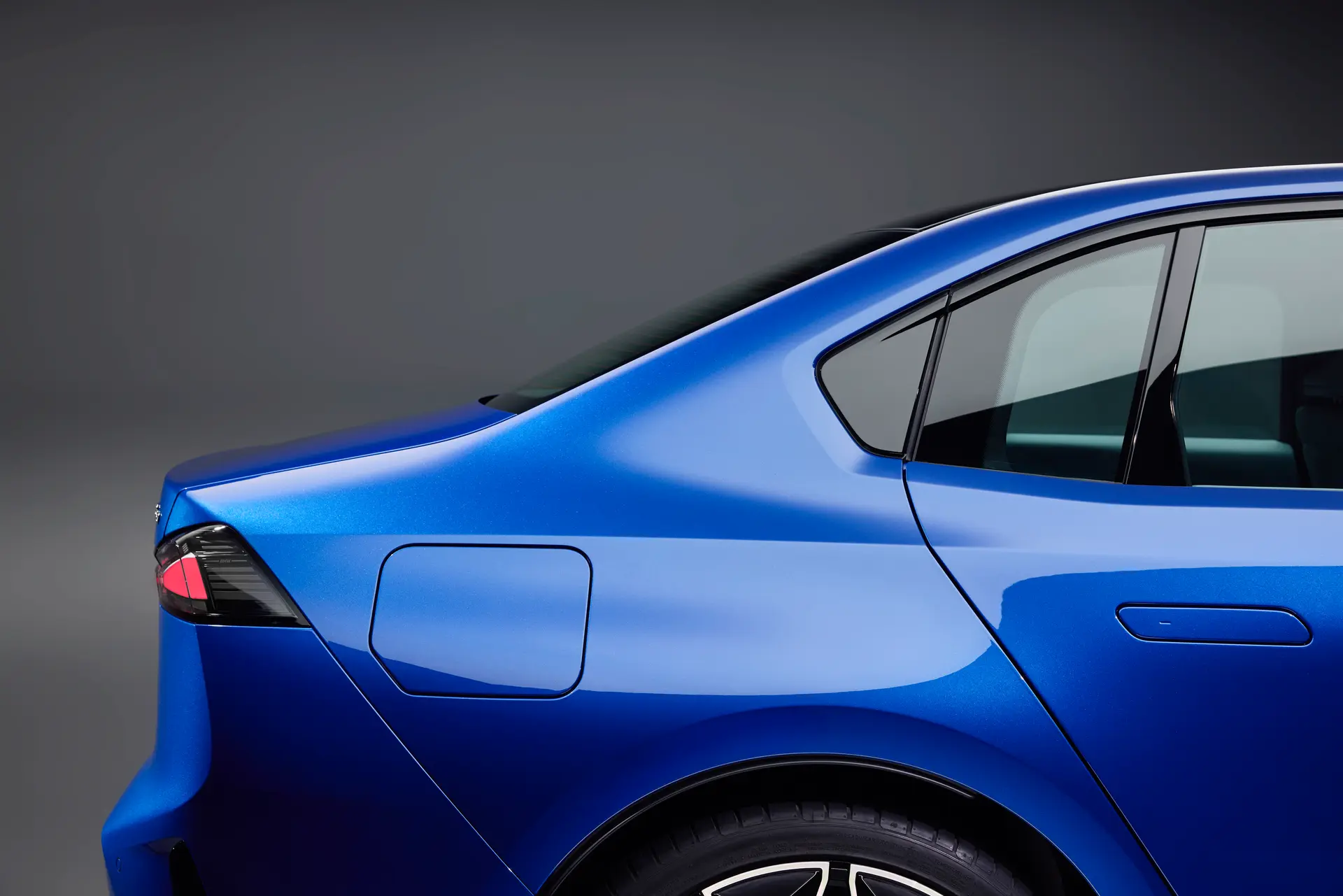
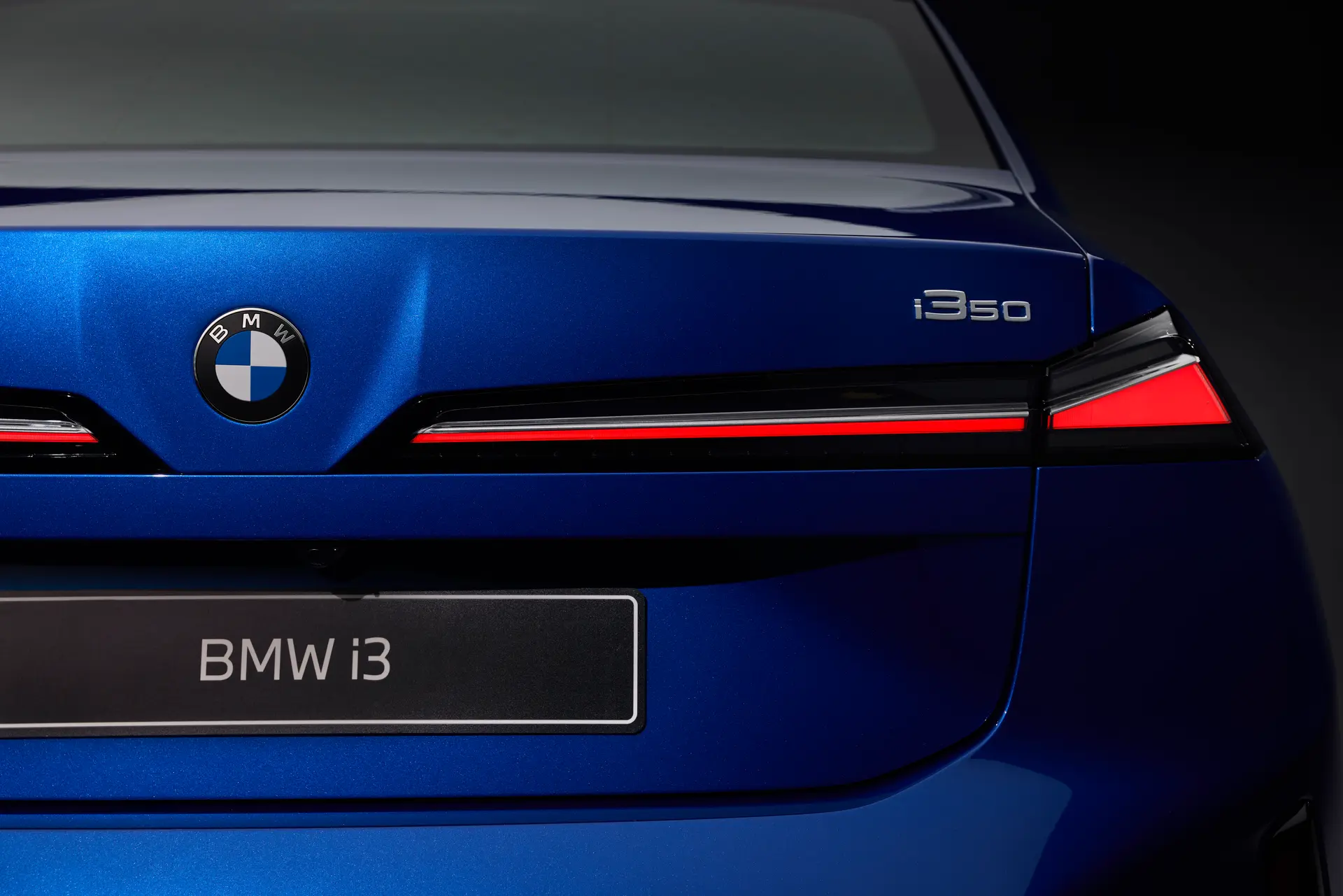
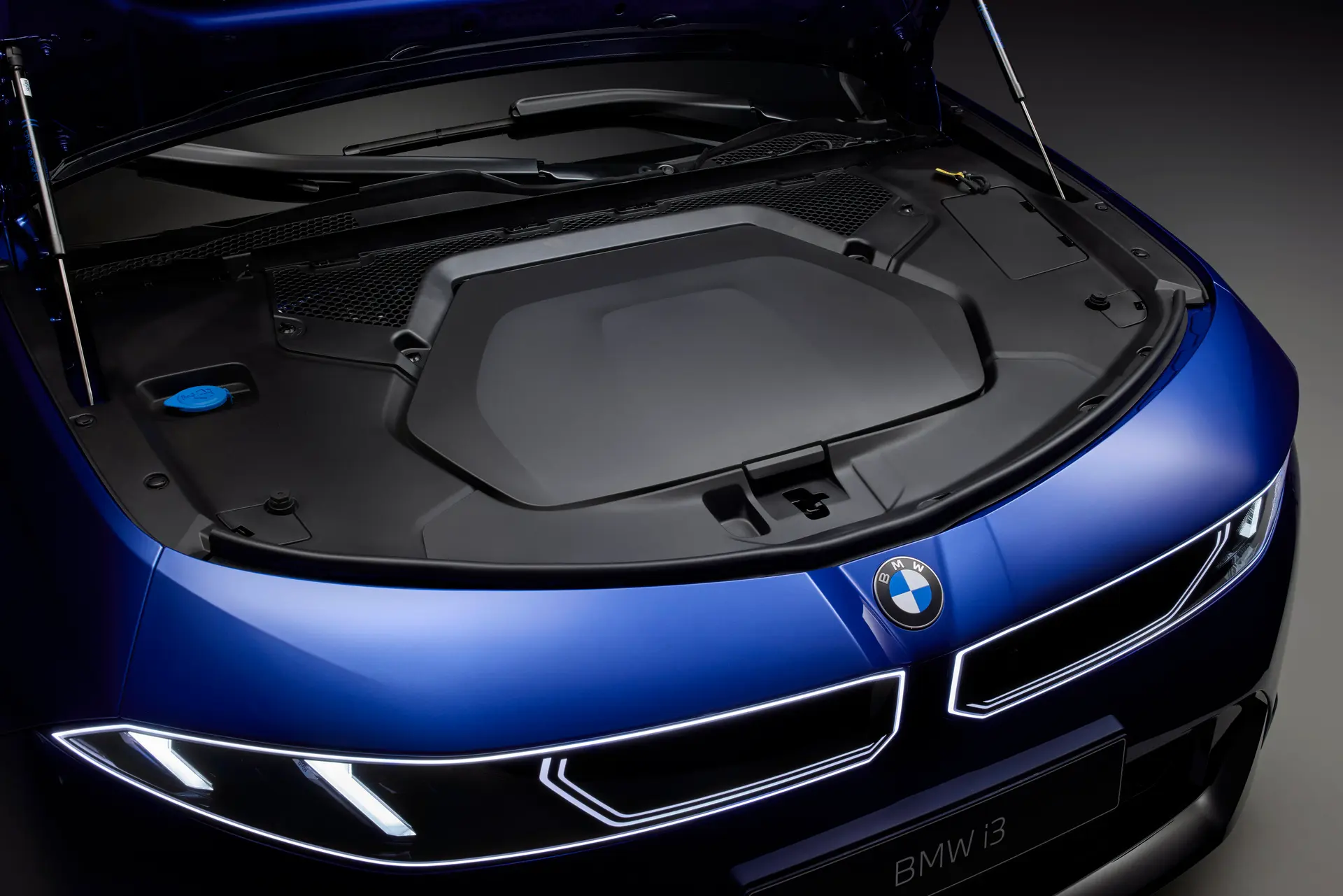
The unifying factor here is ‘Neue Klasse’, which brings the latest BMW models into a new era from 3 Series’ past. We first saw this styling play out back in 2023 with the i Vision DEE concept as well as the Vision Neue Klasse — the latter of which morphed into the iX3. Now, the new i3 (taking the name from the original, quirky electric hatchback) features a similar angular design, with a more pointed front end, integrated but still prominent kidney grille (or faux grille, in this case), flush door handles and a short rear deck with thin LED lights.
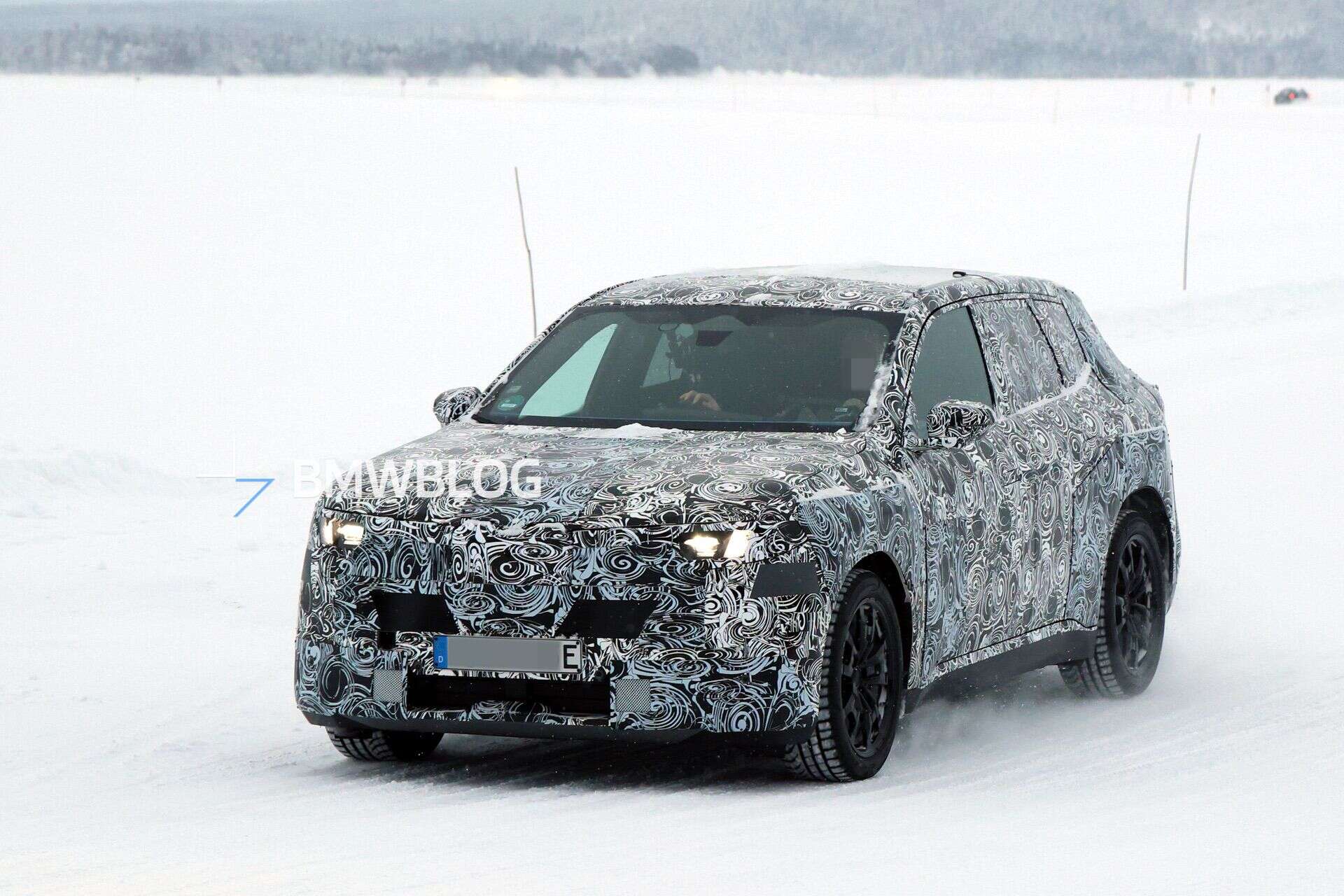
We’re specifically looking at the EV right this moment, but the eighth-generation G50 3 Series should feature a lot of the same styling details. That said, it will probably dial the hyper-futuristic edges of Neue Klasse back a little bit, bringing at least a slightly more conventional look to those wanting the gas option. Underneath, the gas-powered 3 Series, hybrid or otherwise, will ride on a separate ‘CLAR’ platform from the EV, as an evolution of the outgoing ICE models.
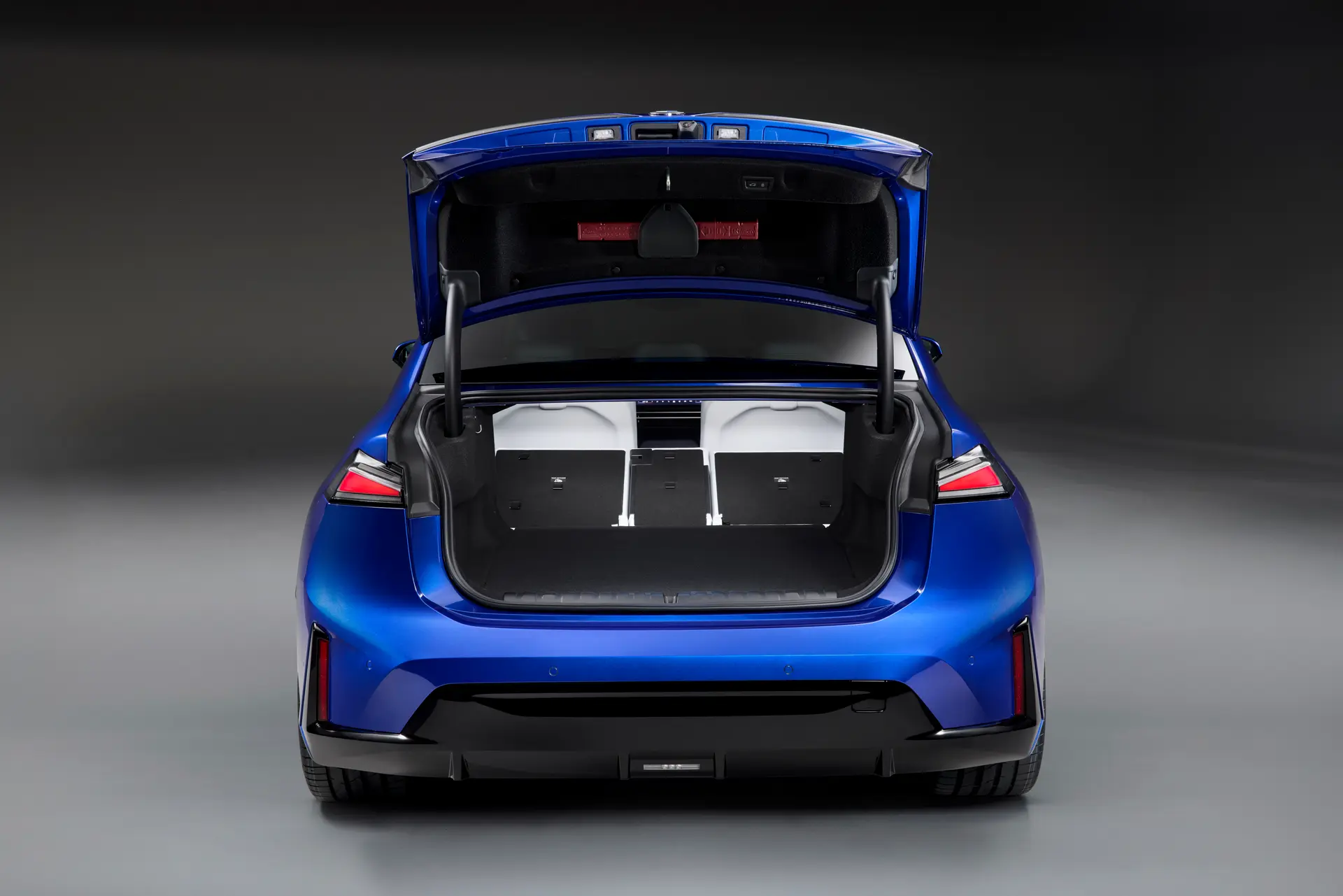
Overall, the 2027 BMW i3 measures out to 187.4 inches in length, 73.4 inches wide and 58.3 inches tall, on a 114.1-inch wheelbase. Those proportions make it slightly larger overall than the old 3 Series, though the longer wheelbase means shorter overhangs so this EV has a squarer stance than its ICE counterpart. In EV land, those figures also make the i3 about 1.5 inches longer and taller, and half an inch wider than the Tesla Model 3.
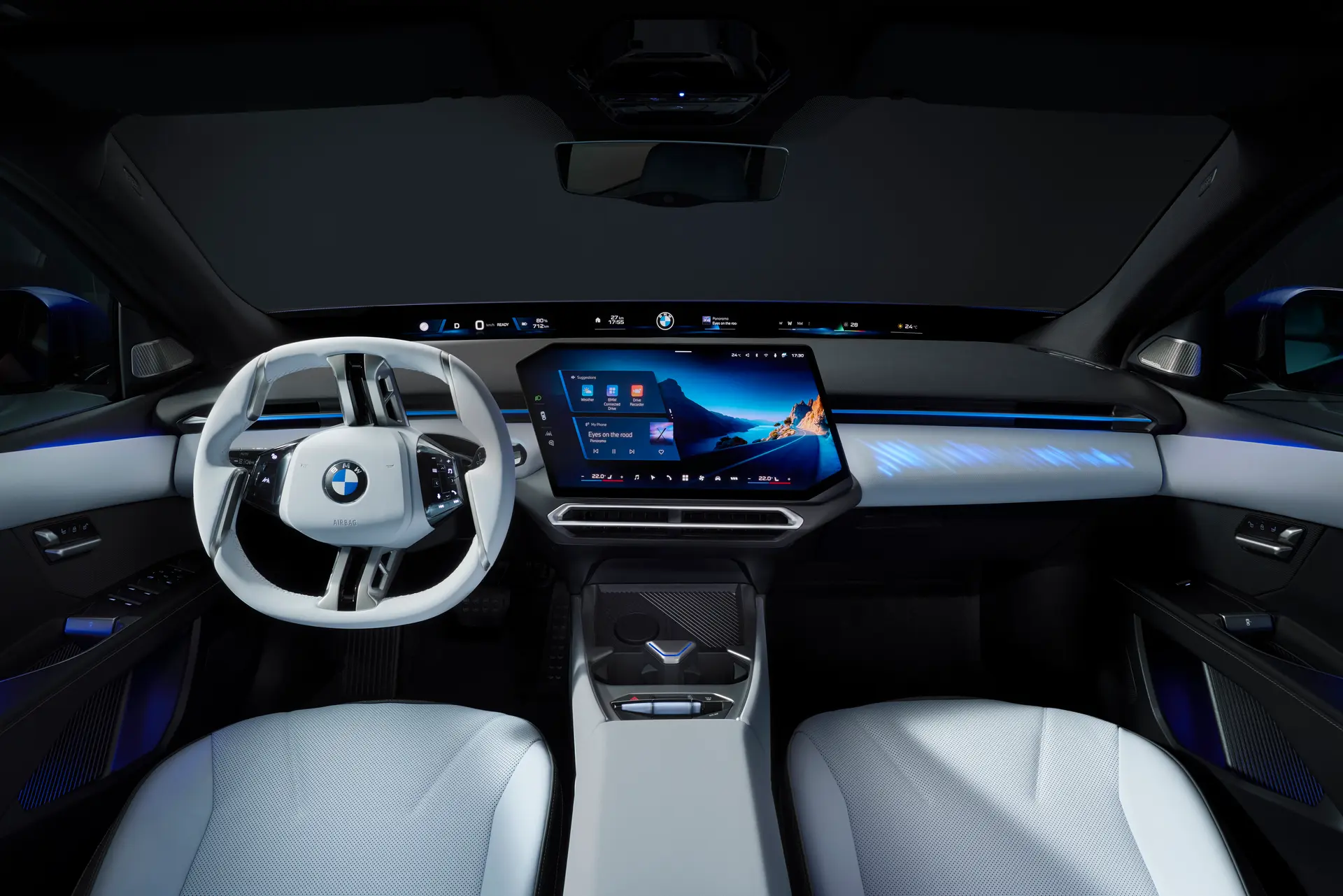
Looking inside the new i3
If you feel like you’ve seen this interior before, don’t worry, you have. The 2027 BMW i3, again following up on the concepts, largely mirrors the iX3 in terms of form and function. You get a large 17.9-inch center display, while above that there’s a 43.3-inch panoramic iDrive screen split into different zones for driver, passenger and shared information (like media, time, etc.). A head-up display is optional here if you need even more information in your line-of-sight, like it is with the iX3.
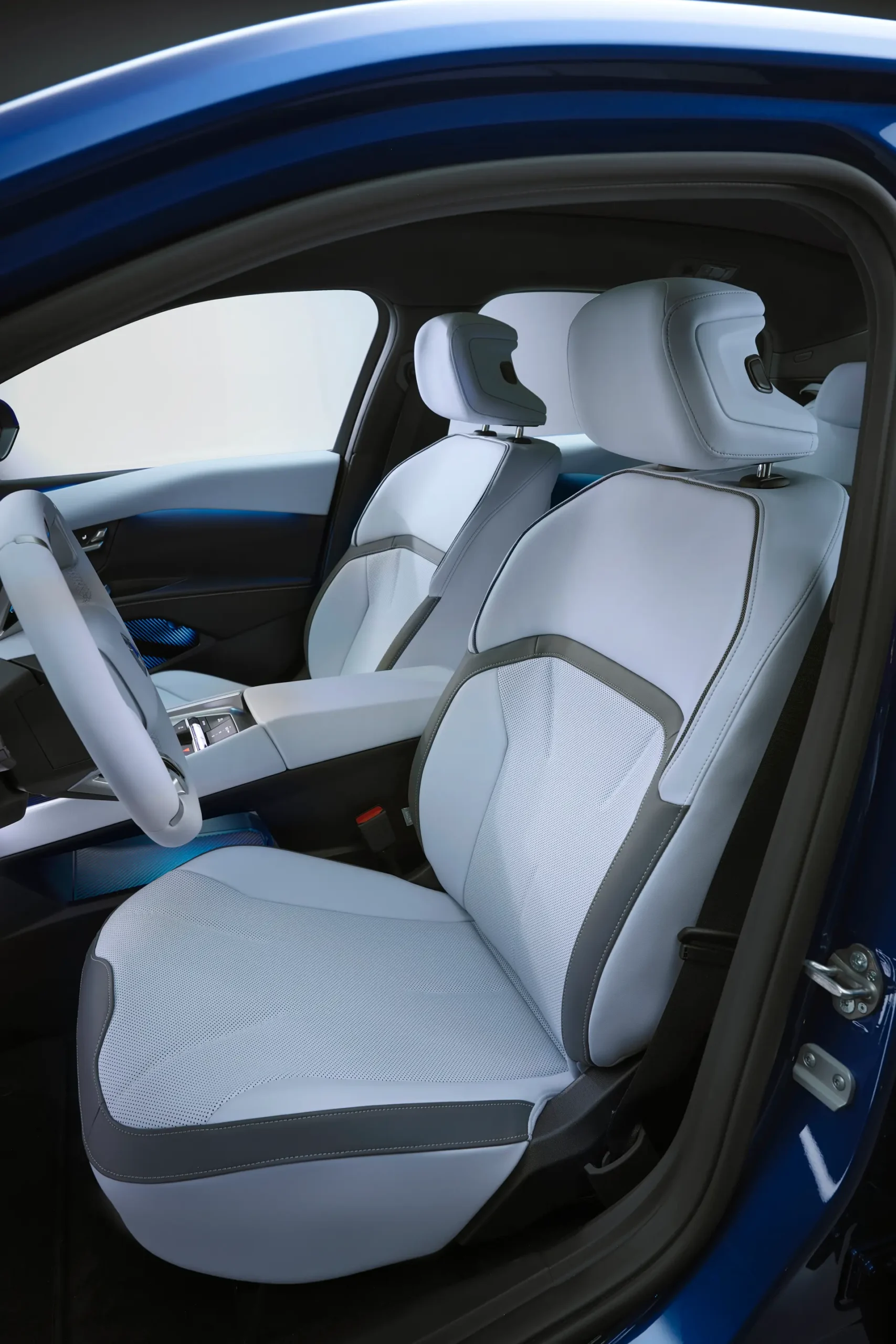
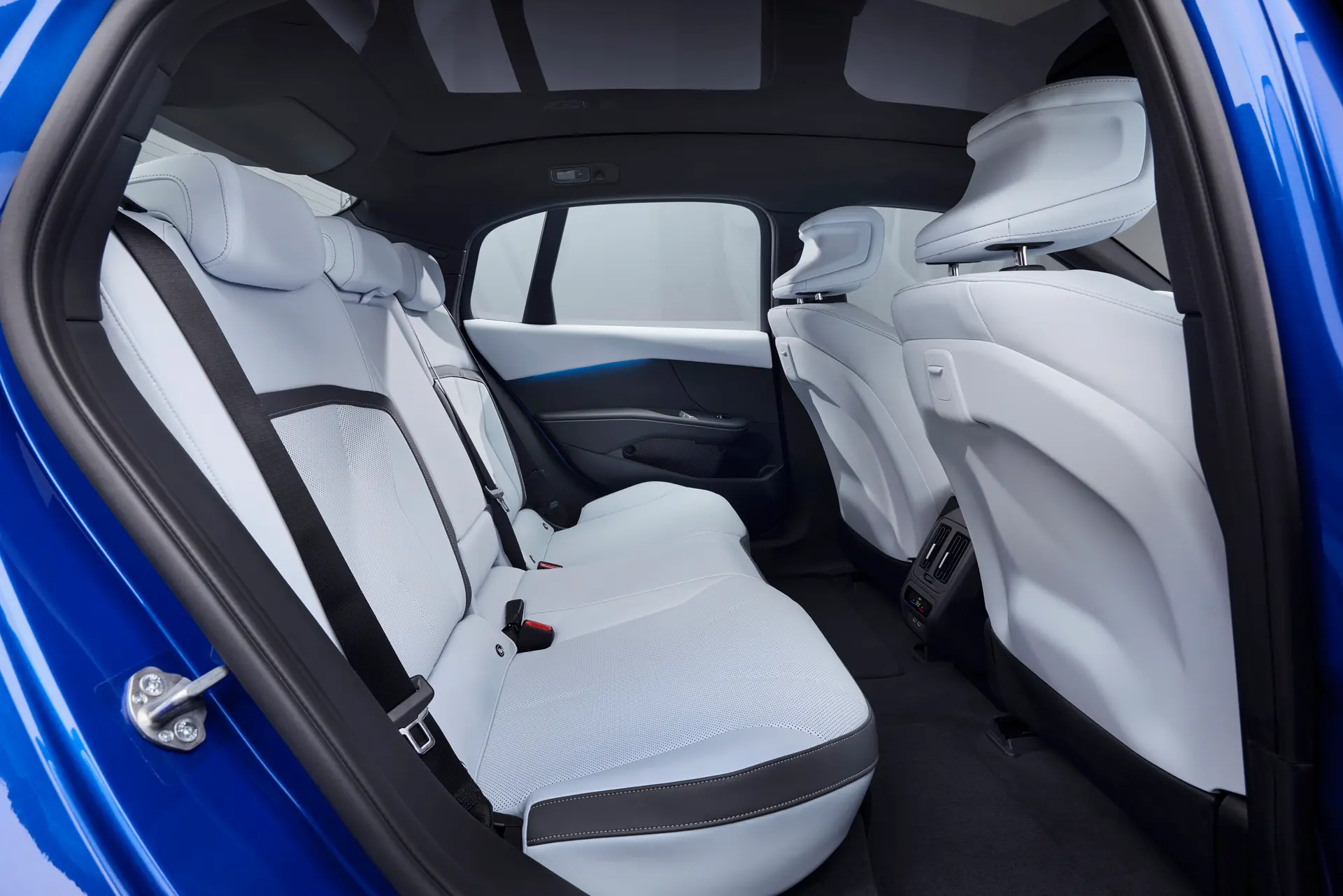
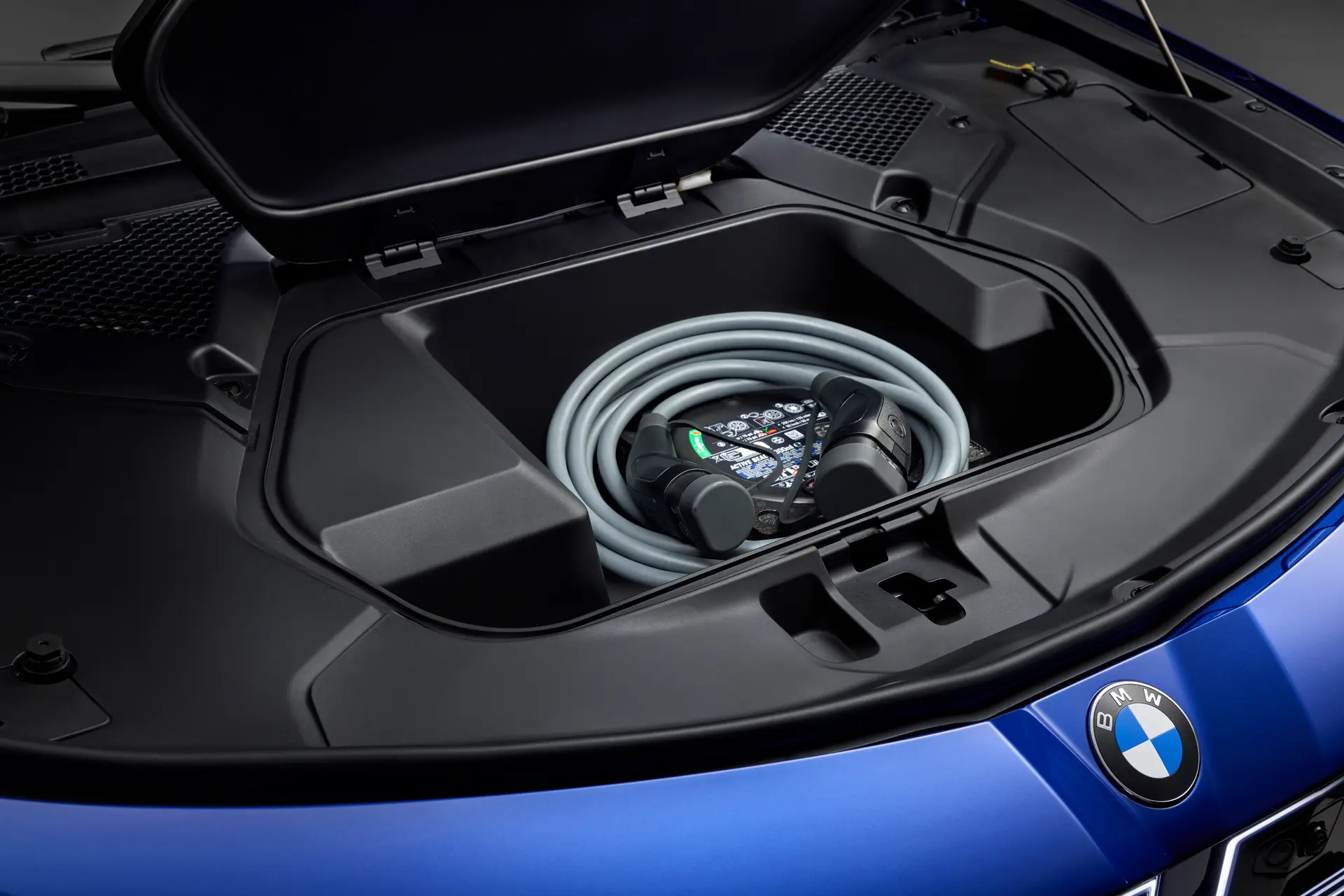
The steering wheel can be a bit much for some folks to figure out right off the bat, but BMW generally groups controls the way you’d expect. Driver assist features are on the left, media controls are on the right, and they are context sensitive, so they’ll only illuminate when the functions those switches control are available.
At its core, the 2027 BMW i3 uses four specialized computers to make this hole experience happen. Each computer has domain over a zone of the car, from driving dynamics to automated driving/parking, infotainment and comfort functions. BMW claims this setup offers “20 times” more computing power than previous models, while the reduced need to run cabling everywhere helps reduce weight. That said, the BMW i3 is still in the 4,850-pound range…being an EV, it’s still not exactly a lightweight.
Performance and charging capability
While the 2027 BMW i3 doesn’t share a platform with its gas-powered counterpart, it does share architectures with the iX3 SUV. That means this EV gets an 800-volt electrical system, and BMW says it is capable of DC fast-charging up to 400 kW. In the U.S., at least, charging infrastructure won’t get you those kinds of charging speeds everywhere just yet. Nevertheless, at least the car can handle it for a bit of future-proofing, and the potential to replenish up to 400 kilometers (~248 miles) of range in just 10 minutes (according to the European WLTP cycle).
The i3’s 108-kWh battery pack is housed in the floor, with the housing pulling double duty as a structural element and round cells improving energy density oer past pack designs. The 2027 BMW i3 claims a potential driving range of up to 900 kilometers using the WLTP standard. EPA ratings tend to be far less optimistic, so the realistic official range over here may land somewhere around the 450-mile range, which is still remarkable for a car this size.
BMW’s new i3 packs a standard NACS port, and it can take full advantage of Tesla’s Supercharger network, including the widespread 400-volt infrastructure. Level 1 and 2 charging are also still readily available, with its silicon-carbide inverter able to tackle bi-directional charging to power other devices off the car itself. With a multi-outlet charge port connector, you’ll be able to run up to 3,700 watts of electrical appliances (think microwave, coffee maker, things like that) off the car if you ever take your i3 to the drive-in or camping, for instance. You’ll be able to charge up to 15.4-kW through a conventional Level 2 AC charger, though the BMW Wallbox Professional can bump that up to 19.2-kW.
The 2027 BMW i3 50 xDrive uses two electric motors, with a total power output of 463 horsepower and 476 lb-ft of torque. Other variants could still happen, though we don’t have word on particulars for a single-motor version hitting the U.S. just yet. We’re just looking at the ’50’ model for now.
How much will the i3 cost and when is it available?
We expect the 2027 BMW i3 to actually hit showrooms later this year into early next year. BMW did not announce pricing at the moment, but it’s likely we’ll see a starting MSRP for the i3 50 xDrive model around $60,000. Again, we could still see a cheaper version emerge, but BMW didn’t share additional information on that just yet. We’ll have to wait and see.
With the i3 now out there for public consumption, however, we’ll also be looking at how the Neue Klasse design philosophy and technical approach influence the new, “standard” 3 Series as well. They have different platforms, sure, but whether the computer setup, battery technology and overall look transition toward the next-gen 3 Series, including hybrid models, could be interesting.