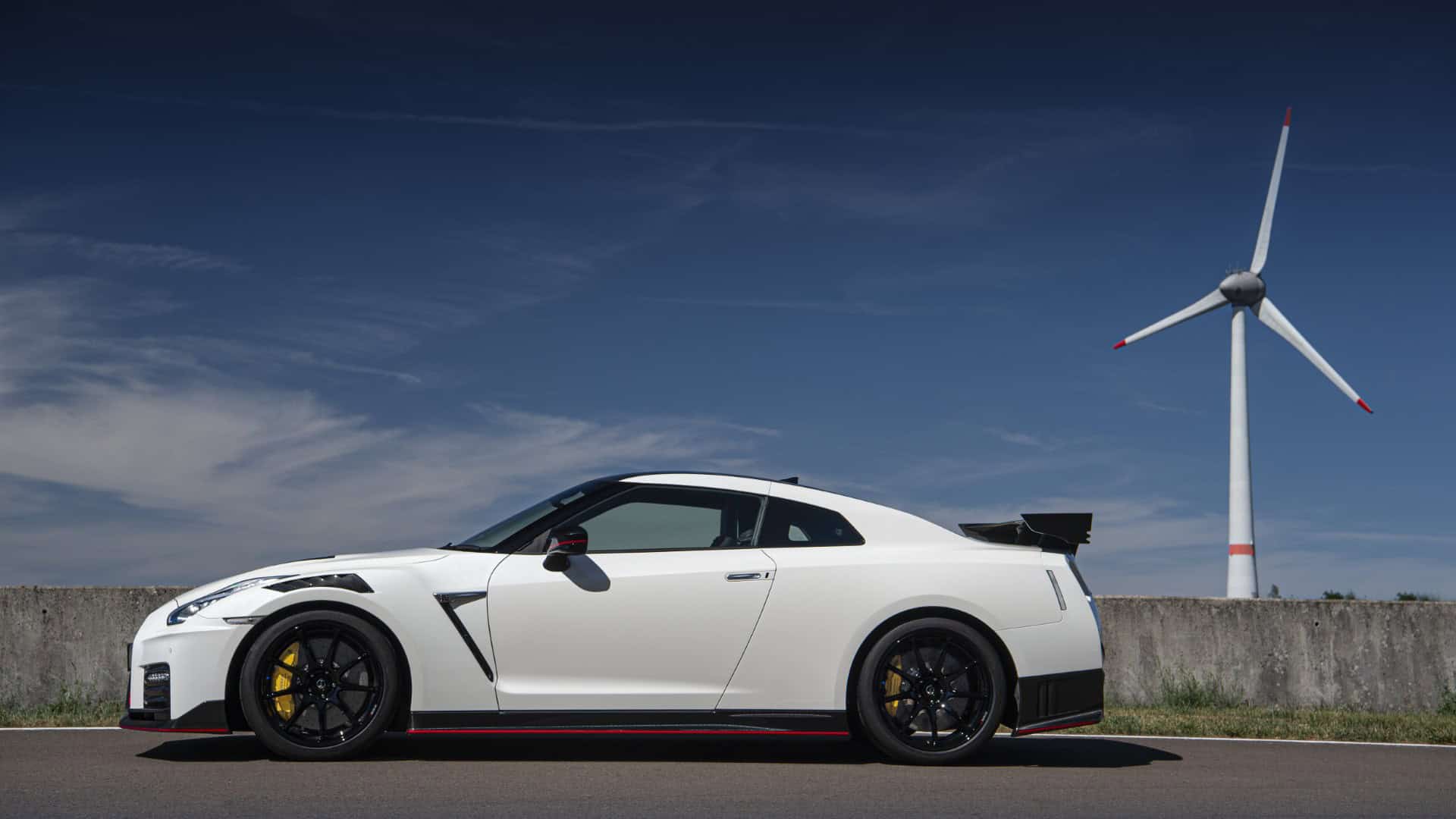
Way back before the BMW M3 and M4 presented an all-wheel drive alternative, the Nissan GT-R proved four-wheel drive had real performance payoffs. In particular, the R35 GT-R’s debut in 2007 marked the first time Americans had any meaningful interaction with Japan’s iconic all-wheel drive sports car. With a Nürburgring lap time quicker than even the contemporary Porsche 911 Turbo’s — and a price tag decidedly lower — Nissan proved that the GT-R was a car with truly global appeal.
But that was a long time ago. The R35 GT-R remained in production for nearly 20 years, with the final car rolling off production lines in August 2025. While it received only incremental changes and improvements through the years, the final iteration was quite a bit more powerful and expensive than the car that debuted in Tokyo two decades prior. Nissan’s been silent on whether or not the GT-R would return for a new generation. That is, until now. Nissan President and CEO Ivan Espinosa indicated to The Drive that “Yes, we are actually working already on the GT-R.”
Is the GT-R A Real M Car Competitor?
Back when the Nissan GT-R debuted in 2007, $69,850 got you into the driver’s seat. By comparison, the contemporary M3 cost around $55,000. Meanwhile, the significantly more expensive, V10-powered M6 cost around $90,000. Considering the GT-R made only 20 horsepower less than the M6 — and reached 60 mph quicker thanks to all-wheel drive — it was a decidedly valid alternative. By the end of the car’s lifecycle, though, things changed dramatically. The 2023 Nissan GT-R commanded $116,040 — more than the F90 BMW M5 and not terribly far off from today’s G90 M5 ($126,000ish).

BMW’s lineup has also gotten a lot more flexible in the last 20 years. The M3 and M4 now come with an xDrive option and 500-some horsepower themselves. The roles, therefore, reverse, with the M3 and M4 xDrive offering quicker 0-60 performance for significantly less cash outlay than the GT-R. But then, Nissan’s next GT-R might yet again flip the script. Espinosa went light on details, only specifying that the R36 GT-R is “proof of what [the team developing it] can do technically.” Another Nissan exec: “I’d say by 2028 you’ll see some concrete announcements, and hopefully before the decade turns you’ll see an R36 GT-R.”
Unfortunately, hints are virtually non-existent. The biggest clues we get come from this seven-second preview video on Nissan’s YouTube channel, and frankly, there’s little to be gleaned. Other than the iconic circular taillights and a sleek new front end design, early reports indicate a hybrid powertrain utilizing an updated version of the R35’s V6. Nissan execs claim “it’s going to be an all-new car.”
It will have to be if Nissan wants parity with BMW M cars. By the latter half of the decade, we’ll no doubt see an EV M3, with the potential for a hybrid M3 not far behind or debuting concurrently. Hybrid M3 notwithstanding, the current BMW M hybrid stable isn’t anything to sneeze at. Despite its hefty curb weight and polarizing aesthetics, the G90 M5 touts a supercar-rivaling 700 horsepower. The XM Label uses the same powertrain to develop closer to 750 horsepower. That’s also to say nothing of rivals like the C8 Corvette Z06, which will offer a “true” sports car experience for likely less money. Nissan has their work cut out for them — at least if they want to cut into BMW M sales.
Source: The Drive
First published by https://www.bmwblog.com