The BMW X7 is, by any reasonable measure, a big car. And it’s about to get even bigger. 204 inches long, a twin-turbo V8 making 523 horsepower in M60i form, three rows, enough technology to run a small country. And yet walk into a Cadillac dealership in Houston or Scottsdale and the X7 looks almost modest by comparison. The Escalade makes it seem like BMW is still thinking about the problem. That’s not an insult to the X7. It’s a description of the market.
Americans Love Big SUVs

The Cadillac Escalade was the best-selling luxury vehicle in the United States last year. Not the best-selling SUV. The best-selling luxury vehicle. It outsells things that cost more, things that are better made, things with more sophisticated engineering. It does this because a lot of American luxury buyers aren’t buying a vehicle — they’re buying a statement, and the Escalade makes one that nothing in BMW’s lineup currently matches. The Lincoln Navigator does the same thing. So does the Infiniti QX80. BMW dealers have been watching this money walk out the door for years.
So yes, BMW should build an X9. But the argument for it is less about product strategy than it is about money, and I think it’s worth being honest about that.
More Luxury and Features, Despite a Higher Price Tag
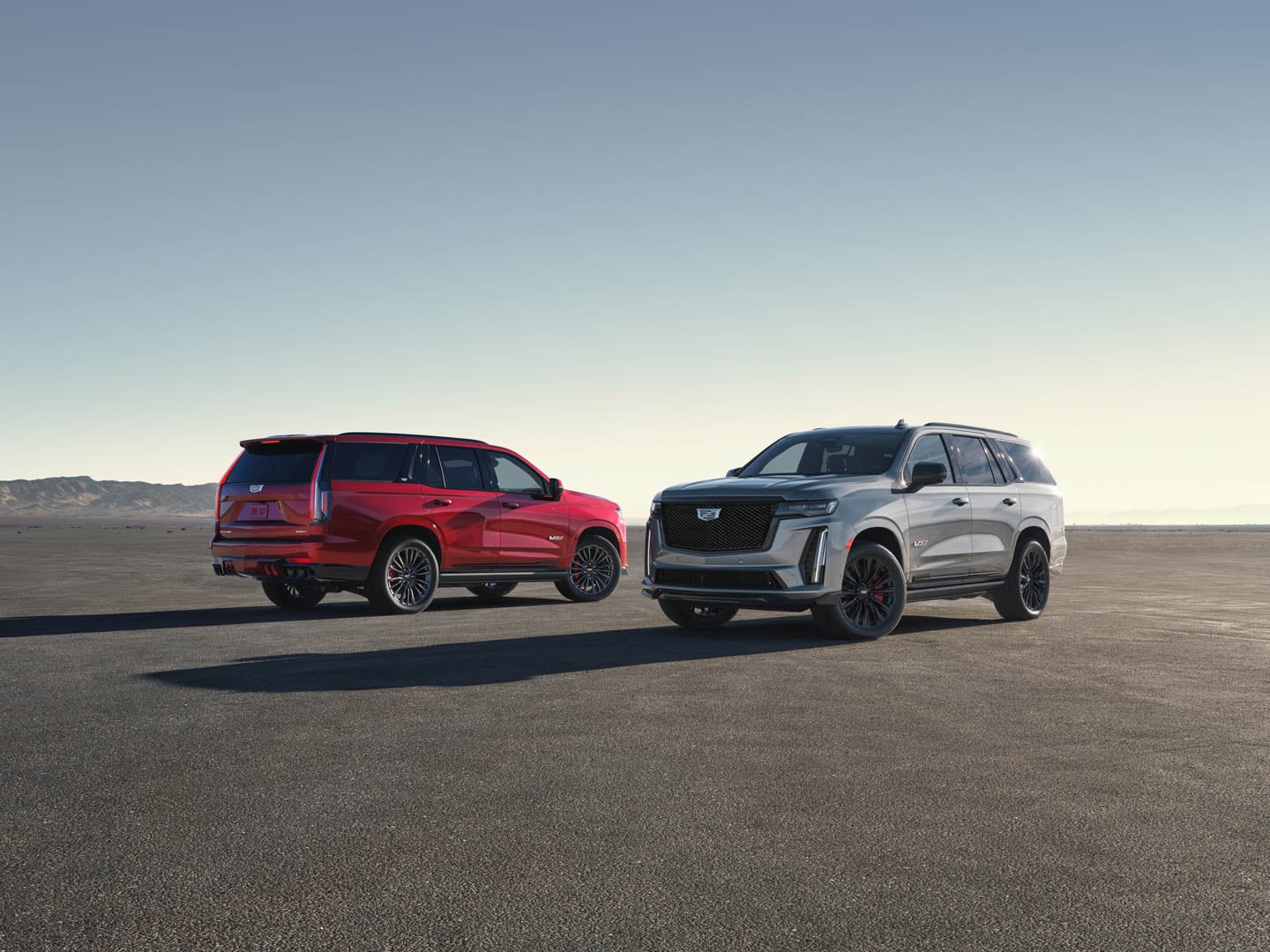
Big luxury SUVs earn enormous margins. The Escalade reportedly clears tens of thousands per unit for GM. A properly done X9, priced at or above where the ALPINA XB7 sits today — around $142,000 — would almost certainly be BMW’s highest-margin vehicle in the United States. That money matters because it buys room. Room to fit rear-seat theater screens, Bowers & Wilkins Diamond audio, air suspension tuned specifically for American highway speeds, massaging seats, real third-row legroom — all the things that can’t practically live in a vehicle priced at X7 money. A fully loaded X9 V8 could legitimately reach $180,000. At that number it’s no longer competing with the Escalade Platinum so much as the Range Rover Autobiography. Different conversation, different buyer, different margin again.
Seven seats have to be standard. Not optional. The whole point of this vehicle is that it never makes a buyer feel like they’re configuring up to something that should have been included. V8 engine at entry level — a plug-in hybrid version makes sense too, probably necessary given where regulations are going, but the V8 has to be the car people actually want, not the one buried in the configurator.

The markets write themselves. The United States, obviously. The Middle East, where the Cullinan and GLS Maybach sell briskly to buyers who also want genuine off-road capability, which the G74 “Rugged” codename suggests BMW is actually considering. China is murkier — the market there has shifted toward domestic brands faster than most Western automakers anticipated — but BMW’s long-wheelbase strategy shows they know how to adapt a product to Chinese tastes when they want to.
Now, the part nobody wants to say clearly: there are real reasons not to build this thing.
Why Should BMW Build An Even Bigger SUV?

The ALPINA XB7 problem is the first one. ALPINA is BMW now, fully absorbed. The XB7 exists today at the top of the SUV lineup. If the X9 arrives at $130,000-plus, the XB7 will certainly move even higher in price. So there will be a gap in the lineup between a highly luxurious new XB7 and a regular X7.
The XM is a cautionary tale though. That car has been commercially adequate but the reception damaged something. BMW took a risk on a polarizing design and the brand absorbed more criticism than the sales numbers probably justified. An X9 at $140,000+ is the most visible BMW in America — every valet stand, every school drop-off line, every highway. If the styling misses, the miss is enormous and long-lasting.
And then there’s the question I keep coming back to, the one that sounds philosophical but is actually practical: BMW built its entire identity on the idea that the driver matters. Sheer Driving Pleasure. The Ultimate Driving Machine. The M badge. All of it points toward the person behind the wheel. The X9, by its nature, is a vehicle where the back seat is the product. The driver is staff. That’s not a criticism of the concept — it’s just a different vehicle for a different purpose, and BMW has to decide whether it’s at peace with that or not. Because if it isn’t, the car will feel like a compromise, and buyers at $150,000 can smell a compromise.

Does BMW need it? Yes. The dealers need it, the margin opportunity is real, and right now BMW is ceding a meaningful slice of the American luxury market to Cadillac and Lincoln simply by not showing up. But BMW needs to go in with both eyes open. Build it for the back seat. Make the V8 standard. Get the styling right. And most importantly, make it a global car because you still need volume in other markets. Of course, China and Middle East would be an easy plug&play.
Bernd Körber, Head of BMW Product, said “why not?” when we asked him about it. So it’s pretty clear that BMW is thinking about it. The real question now isn’t whether an X9 is possible. It’s whether BMW will build the honest version of it, or hedge.
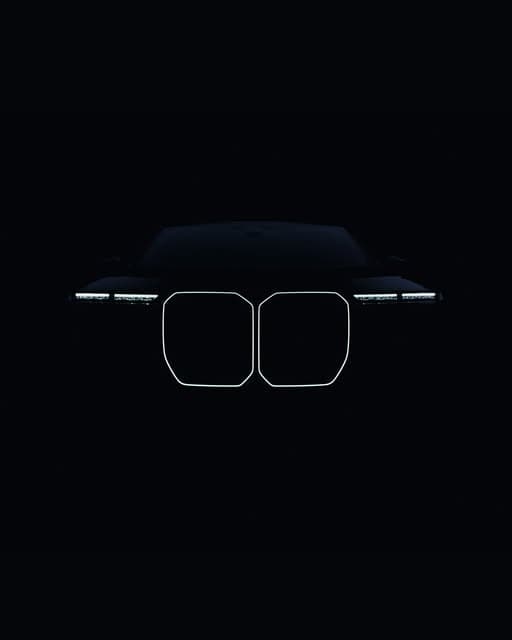
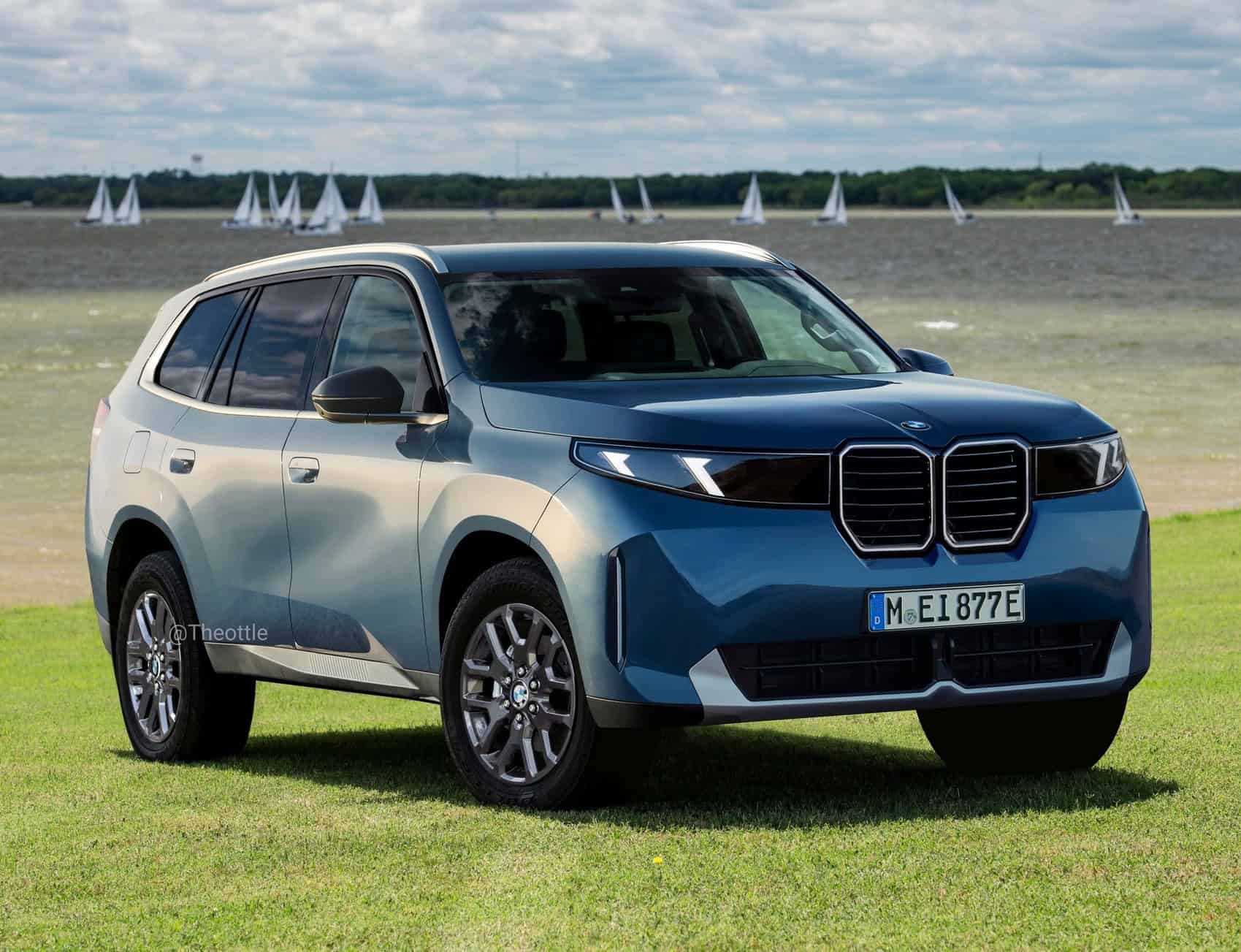
[Renders: Theottle]
First published by https://www.bmwblog.com