Head trauma in sports has evolved from an overlooked issue into a major legal and medical concern. For athletes at every level, understanding responsibility and knowing their rights can significantly impact both recovery and long-term well-being.
What Is Sports-Related Head Trauma?
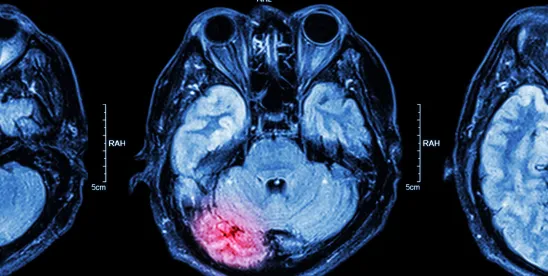
Head trauma occurs when an external force strikes or jolts the head, disrupting normal brain function. In sports, these injuries range from mild concussions to severe traumatic brain injuries (TBIs), arising from player collisions, falls, or contact with equipment.
Symptoms are typically subtle at first including headaches, difficulty concentrating, or sensitivity to light and noise. In more serious cases, athletes face long-term memory problems and conditions such as chronic traumatic encephalopathy (CTE). Recognizing these injuries early is not just a health priority, but also a legal priority.
Legal Obligations of Sports Organizations
Sports organizations, from professional leagues to youth programs, carry significant legal duties toward their athletes. Failing those duties can lead to serious liability.
- Duty of Care: Organizations must provide a safe environment with proper equipment, trained staff, and updated safety protocols. Negligence that contributes to a head injury may give athletes grounds for a legal claim.
- Informed Consent: Athletes must receive honest information about the risks of their sport before competing. Organizations that downplay head trauma dangers can face legal consequences when injuries occur.
- Standard of Care: Qualified medical staff must be available to recognize and respond to suspected head injuries in real time. Falling below this standard can result in negligence claims.
- Return-to-Play: Allowing an athlete back before they are medically cleared is a serious risk of liability. Evidence-based protocols must be followed and reinforced.
Rights Every Injured Athlete Should Know
- Immediate Medical Care: Any athlete who may have suffered a head injury should receive prompt evaluation by a qualified professional. Organizations are obligated to have trained medical personnel accessible at practices and competitions, to ensure injuries are identified and treated before they worsen.
- A Full Recovery Period: Pressure to return to play too soon is an issue at every level. Athletes are entitled to proper support during recovery, free from coercion that could compromise their long-term health. Taking adequate time to heal reduces the risk of permanent damage.
- Education and Transparency: Athletes, coaches, and parents should all have access to clear information about head injury risks and reporting procedures. Knowing the warning signs is the first step in protecting yourself. Awareness empowers athletes to speak up and seek help when needed.
Legislative Efforts
Most states have enacted laws specifically addressing head trauma in sports, generally requiring:
- Concussion Management Protocols: Written procedures for removing athletes from play when a concussion is suspected, with formal clearance required before any return.
- Coach and Official Training: Periodic certification so those overseeing athletes can recognize and respond to potential head injuries on the spot.
- Educational Programs: Athletes and families must receive information about concussion signs and the importance of reporting injuries without fear of losing playing time.
While these laws represent real progress, enforcement remains inconsistent, especially at the youth and recreational levels. Never assume these protections are being applied without verifying them directly.
The Bottom Line
Athletes should never have to face a head injury without proper care, clear information, and a full understanding of their legal rights.