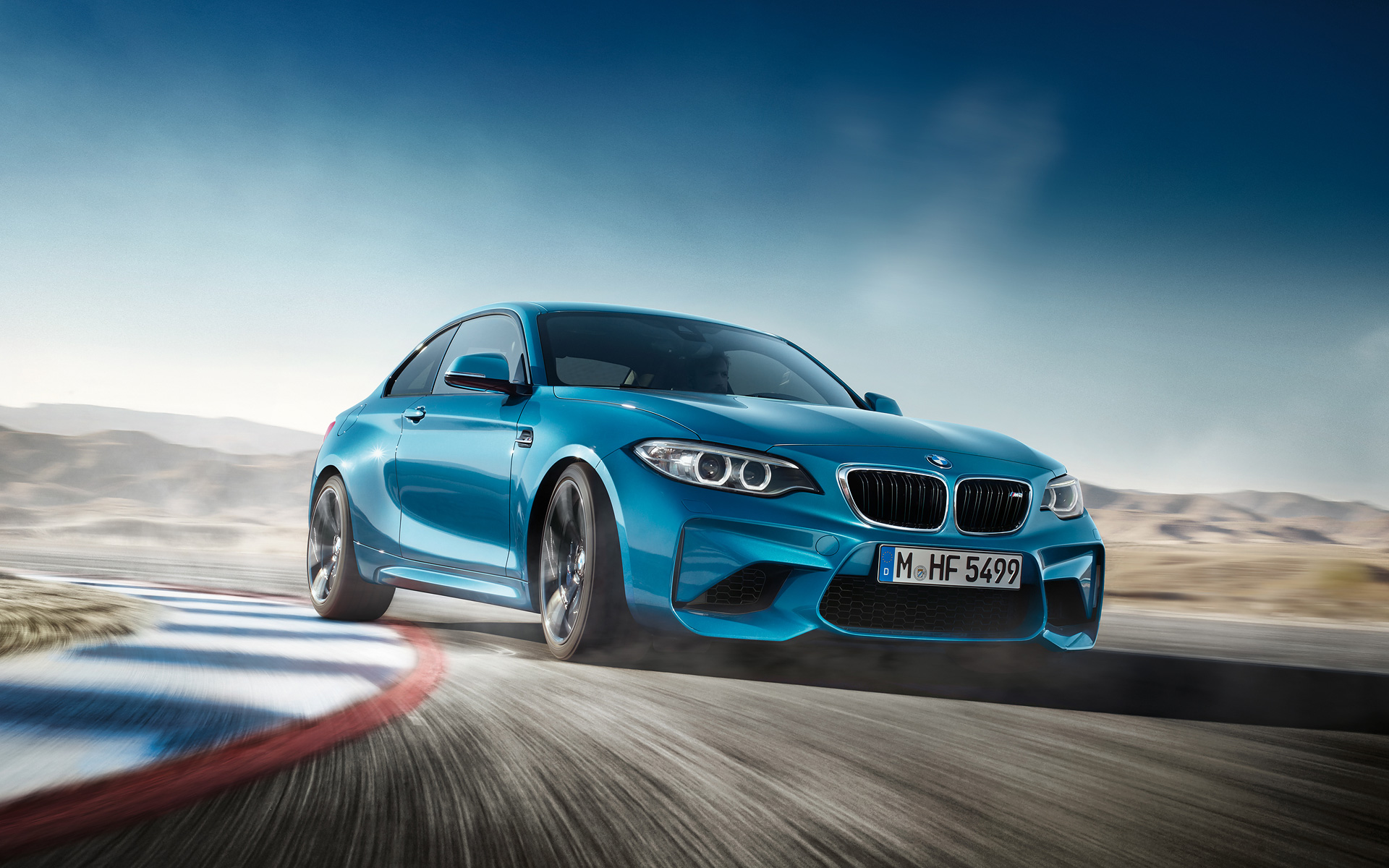
When the BMW M2 debuted — now just over 10 years ago — excitement was palpable. BMW heard the call for a smaller and more agile car slotting below the ubiquitous BMW M3. Or, more specifically, below the newly standalone BMW M4 coupe/convertible. Little did we know at the time that the original BMW M2 was just the tip of the iceberg. Only a few short years after its debut, BMW blessed its newest Wunderkind with a hotter engine lifted straight out of the M3 and M4. Later, a stripped-down CS version fine-tuned the formula even more. But no matter which version of the M2 you drive, it’s a delight; celebrating its tenth anniversary is the least we can do.
The BMW M2 Debuts
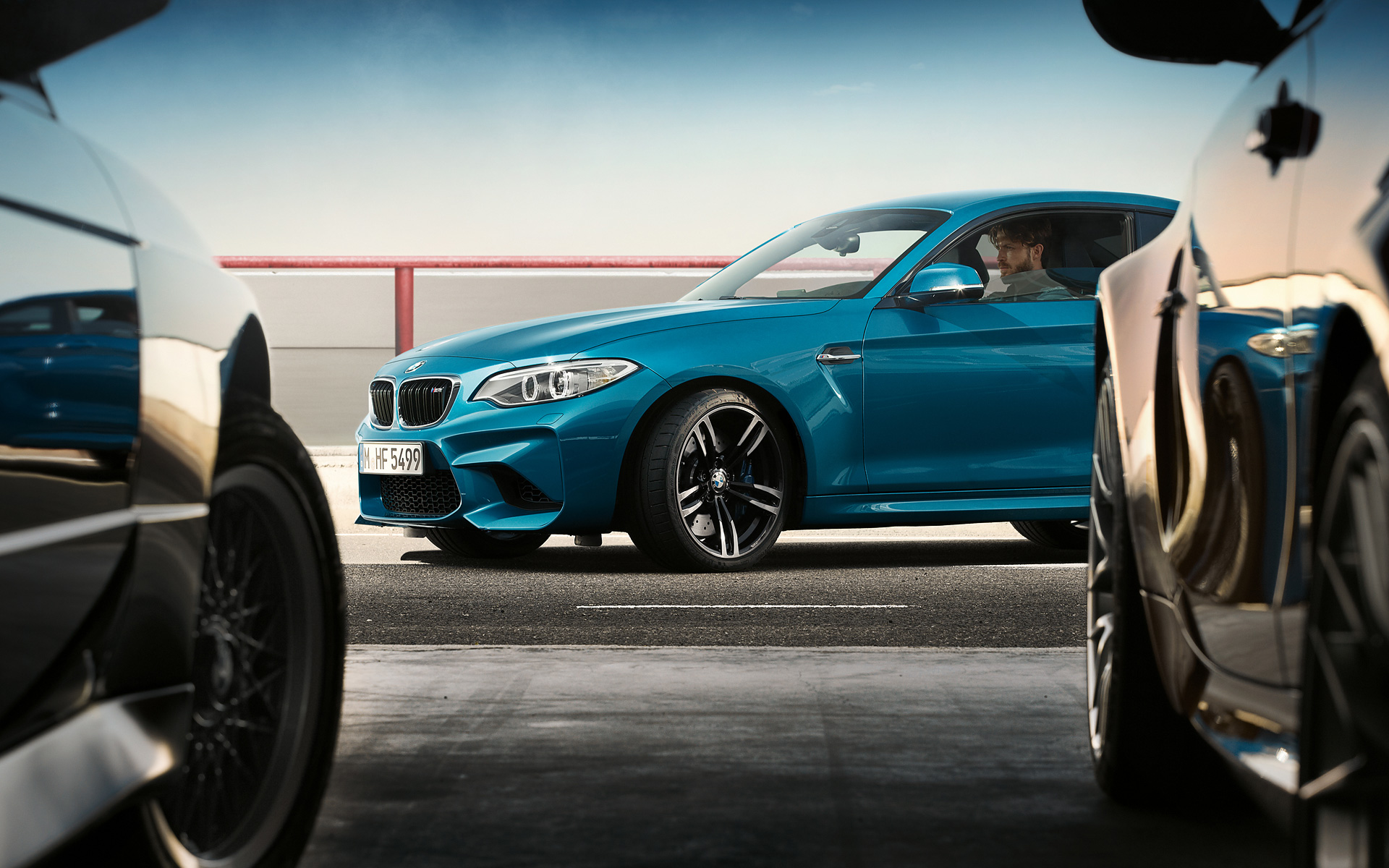
The BMW M2 development story is, ultimately, straightforward. The 1 Series Coupe was leaving production; many inside BMW reportedly suggested moving to front-wheel drive. However, two executives — Klaus Fröhlich and Ian Robertson — were dead set on making a rear-wheel drive successor. Targeting a modern version of the 2002 Turbo, the duo pushed hard for a RWD, six-cylinder model smaller than the M3 and M4 but no less engaging. Like the 1M, the initial M2 didn’t even receive a “real” M Series engine. It instead relied on a tweaked N55 with improved output, 365 horsepower. Upon debut, BMW touted “more torque than past generation M3s,” which was true. The N55’s maximum of 369 pound-feet of torque was 76 more pound-feet than the V8 in the E9X M3. A dual-clutch automatic or six-speed manual lifted from other M models got power to the wheels.
The M2’s public debut came at the 2016 Detroit Auto Show in January 2016. Technically, gamers got the first look: in November 2015, the car came to the Need for Speed video game franchise. The “OG M2,” as it’s now referred to as (because it’s the “original” M2) received one of the warmest receptions of any new BMW product. Journalists and drivers praised its dynamics, and even the usual complaints around aesthetics that usually accompany new BMW releases were few and far between. Things were good, then they got better. In 2017 BMW brought a limited Performance Edition version to market. Production was capped at 150 units, all U.S. models. The car added some choice lightweighting (like single-zone climate control and a lower grade, presumably lighter stereo) and came with goodies like an M Performance Exhaust, performance coilover suspension, blacked-out trim, and more.
M2 Levels Up: LCI and Competition
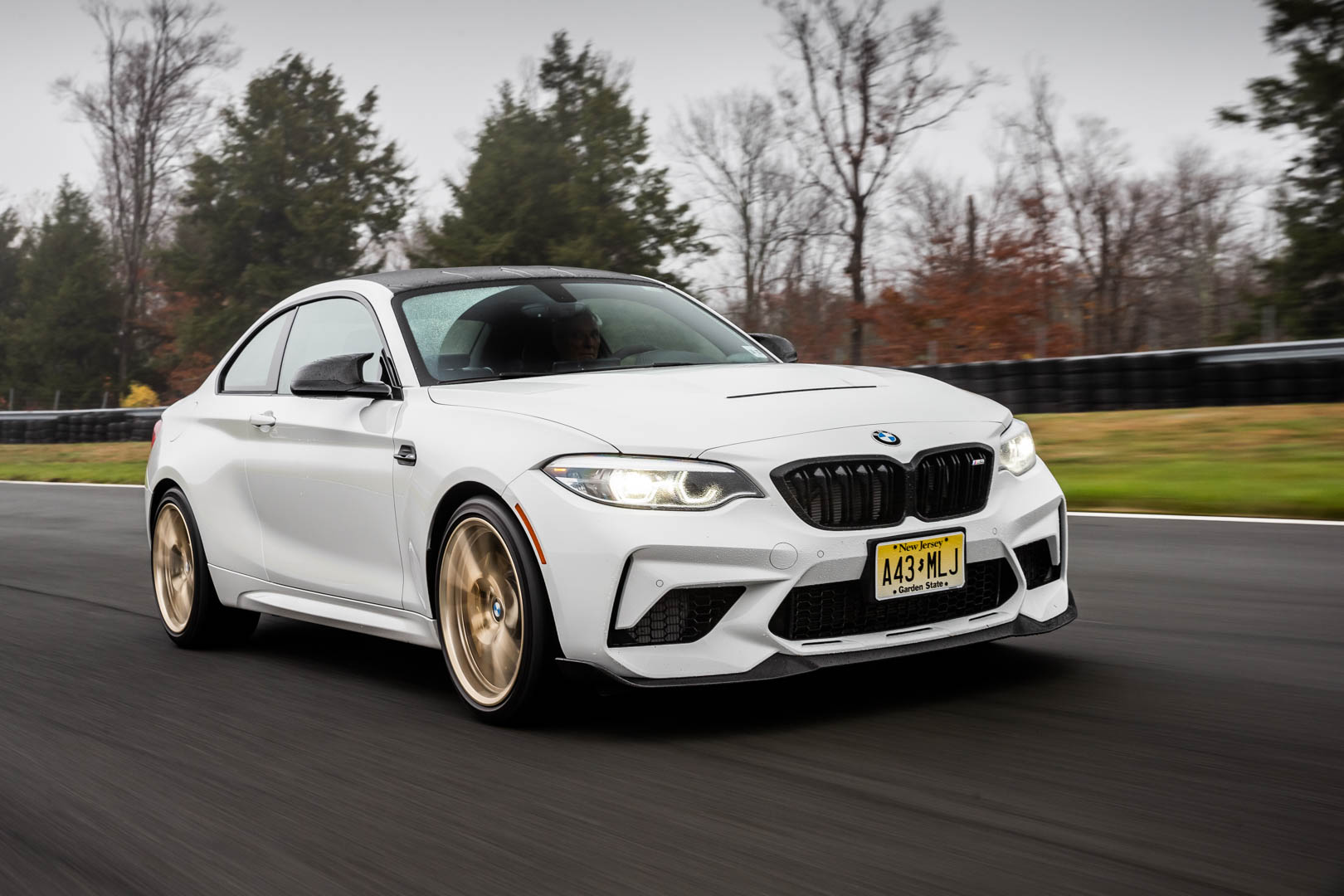
The Performance Edition came before the F87 M2 received its LCI, or Life Cycle Impulse (BMW’s term for a mid-lifecycle refresh). For the 2018 model year (in the U.S.), BMW tweaked the little rocket ship just enough to breathe fresh air into a still-crisp design. New LED headlights and taillights outside and a redesigned dashboard and gauges inside made the 2018 BMW M2 the new high watermark for the badge. Just one year later, BMW outdid themselves. The brand lifted the S55 engine — including its beautiful and functional carbon fiber front strut brace — from the bigger M3 and M4 and plopped it right into the M2. More surprisingly, power was only slightly nerfed; the car made 405 horsepower compared to 425 in the M3 and M4. Dubbed the M2 Competition, it picked up right where the OG left off. Bigger brakes, more aggressive seats, and a slightly heavier curb weight made the M2 “Comp” distinct from the early models.
BMW continued to build on the M2, bringing special editions like the M2 FUTURA 2000 (and later a “Special Content Package,” which was the only way to get a non-black interior in an otherwise standard M2 Competition) and then the incendiary M2 CS. The CS borrowed liberally from more aggressive BMW M cars. Features like a carbon fiber roof, carbon ceramic brakes, and more unlocked the F87’s full potential. It also sold in limited production numbers, making it handily the most-sought after version of the F87. The F87 left production in 2021.
G87 M2 Debuts
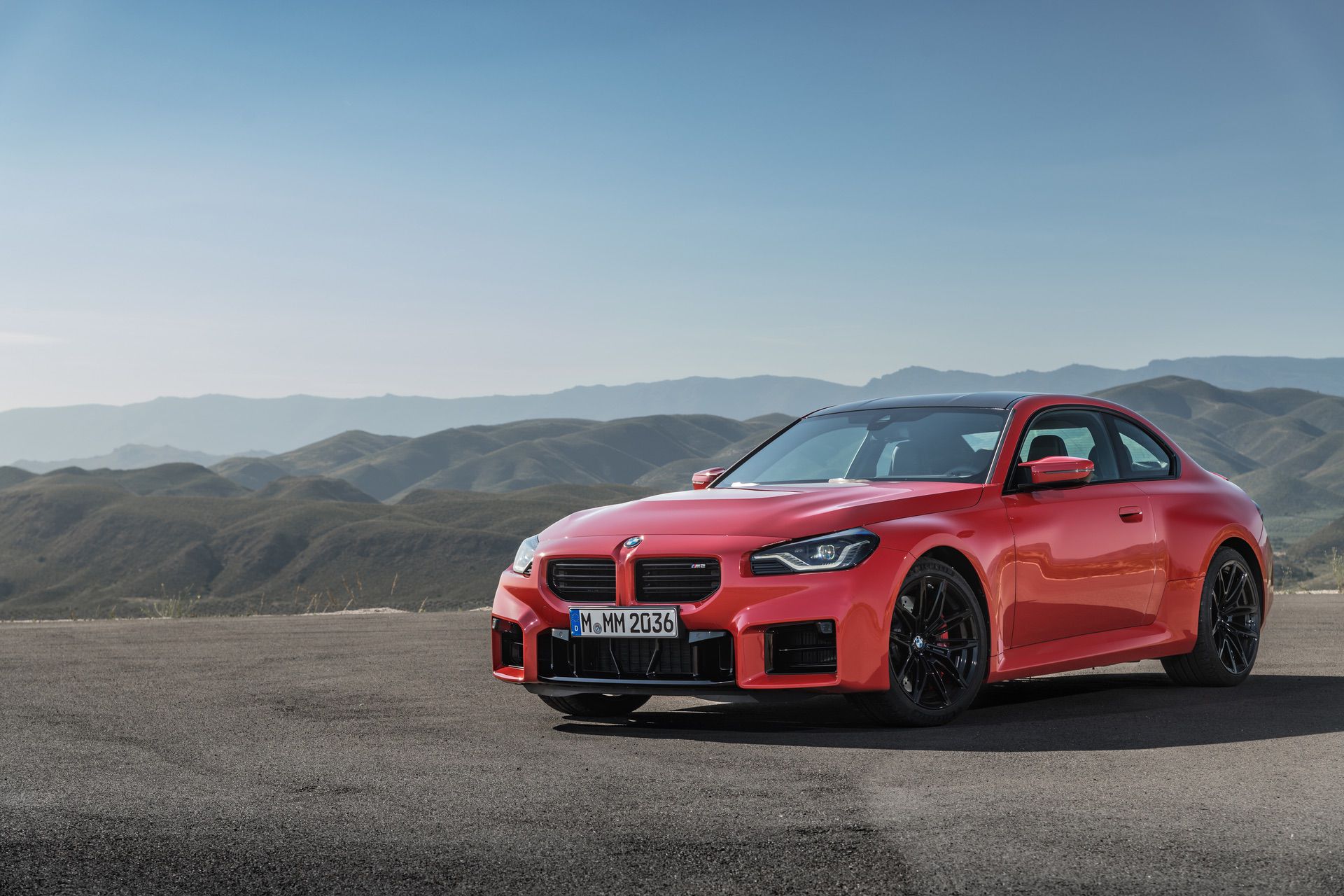
The second generation of the BMW M2, the G87, debuted in 2022 as a 2023 model year. While the bodywork changed, much of the formula remains intact. The S58 engine under the hood comes straight from the G8X M3 and M4. It’s still the shortest and (barely) lightest in the pack. And like the last generation, BMW amped things up with the new M2 CS. The 2026 BMW M2 marks nearly halfway through the car’s lifecycle, if normal intervals apply. Just a matter of days ago, BMW brought the M Performance Track Kit to the M2, which allows drivers to optimize their M2 for the race track even further.
But the best is arguably yet to come for the BMW M2. The BMW M2 xDrive has been accidentally confirmed (we scooped everyone on this and have been talking about the car since 2023). It promises similar dynamism with the added benefits (and, admittedly, drawbacks) of all-wheel drive. For the foreseeable future, the BMW M2 will remain the choice pick for enthusiasts that don’t need any of the extra space afforded by the M3 and M4. The M2’s debut was timed perfectly, and we can’t wait to see if the next ten years are as good as the first ten have been.